Showing all 13 results
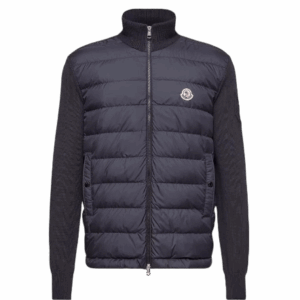
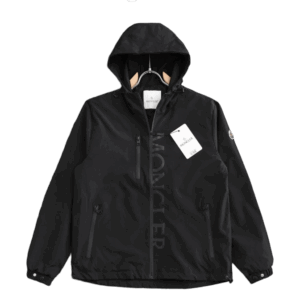
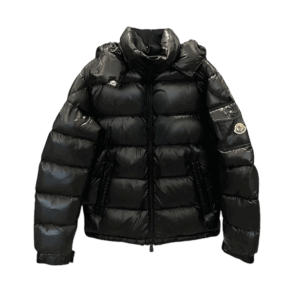
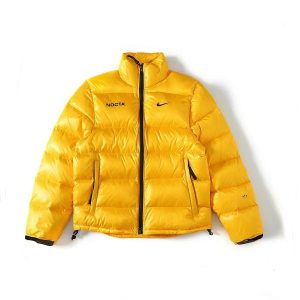
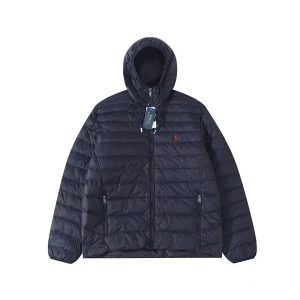
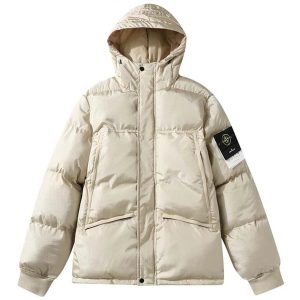
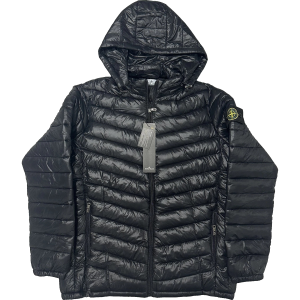
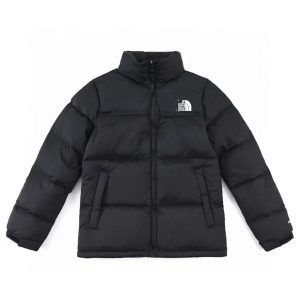
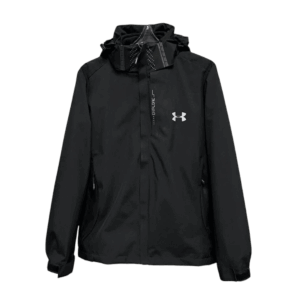
Joyagoo Spreadsheet Jackets — 13 Outerwear Pieces with Detailed QC Review
A jacket is the most expensive single item most people will buy on a third-party platform, which makes getting it right the first time absolutely critical. Returns are complicated, shipping is expensive, and waiting three weeks for a replacement is nobody’s idea of a good time. The Joyagoo spreadsheet Jackets section is built around this reality — 13 carefully selected outerwear pieces, each one photographed from multiple angles, measured against reference dimensions, and evaluated for the specific construction details that determine whether a jacket lasts two months or two years.
The reason this archive exists is simple: Google Sheets is a terrible format for browsing outerwear. You need to see fabric texture, lining construction, hardware close-ups, and stitching details — none of which render properly in a spreadsheet cell. By converting the data into a web-based catalog, we let you examine each jacket the way you would in a physical store: zooming in on details, comparing side by side, and reading quality assessments before you commit. When you find the right piece, clicking through takes you to the agent platform to place your order.
If you are just starting to explore the platform, the Best Joyagoo spreadsheet homepage is the best entry point — it shows every category available and helps you understand the full product range.
The Six Things We Check on Every Jacket
Outerwear construction is more complex than any other apparel category. A t-shirt has a body, sleeves, and a neck opening. A jacket has all of that plus a lining, a closure system (zipper or buttons), collar structure, cuff construction, pocket installation, and often shoulder seams that need to align perfectly. Here is what our evaluation process focuses on:
Shell fabric weight and hand feel. Jacket shell material ranges from lightweight nylon (70-100gsm) for windbreakers to heavy cotton canvas (350-450gsm) for workwear-inspired styles. We verify that the declared fabric weight matches the actual product by examining drape and density in QC photos. A bomber jacket claiming 280gsm cotton should have visible body and structure — if it hangs flat and limp, the fabric is lighter than claimed or the weave is too loose.
Lining attachment and coverage. A proper lining should be fully attached at the collar, armholes, and hem — not floating loose inside the jacket. We check that the lining is smooth and flat against the shell without bunching, twisting, or exposed seams. The lining should also cover the entire interior, including the sleeves. Partial linings (body only, no sleeve lining) are acceptable on lighter jackets but indicate cost-cutting on heavier styles where sleeve lining prevents the jacket from catching on your arms when putting it on.
Zipper quality and installation. The zipper is the most frequently used hardware component on any jacket, and it is the most common point of failure. We look for YKK zippers (identifiable by the YKK stamp on the puller) as the reliability benchmark. Non-YKK zippers are not automatically rejected, but they receive extra scrutiny — we run the zipper through its full length multiple times to check for smooth operation, tooth alignment, and separation issues. The zipper tape should be sewn into the jacket placket with double-needle stitching, and the bottom stop should be reinforced to prevent the zipper from splitting at the base.
Collar and lapel structure. The collar is what frames your face and gives a jacket its character. We check that collar panels are symmetrically cut and that the collar holds its intended shape — whether that is a standing collar on a bomber, a fold-down collar on a varsity, or a hood on a parka. For jackets with lapels, we verify that the lapel rolls naturally at the intended break point and does not flop open. Interfacing inside the collar should be firm enough to maintain structure but not so stiff that it feels uncomfortable against the neck.
Shoulder seam alignment and sleeve attachment. The shoulder seam is where the sleeve meets the body, and it carries the weight of the entire jacket. We check that shoulder seams sit at the natural shoulder point (where your shoulder bone meets your arm), not drooping down the bicep or riding up onto the neck. The sleeve attachment should use a gathered or eased construction that creates a smooth transition from body to sleeve without puckering or tucks. Set-in sleeves should have clean armhole seams; raglan sleeves should have smooth diagonal lines without distortion.
Hardware and detail finishing. Buttons should be securely attached with reinforced stitching and should pass through buttonholes without excessive force. Snaps should click firmly and hold securely. Drawstrings should have functional stops or toggles. Cuff adjustments (if present) should operate smoothly. Every metal component is checked for plating quality — chrome or nickel finishes should be even and smooth, not rough or flaking. These small details are where quality differences between price tiers become most apparent.
What Is in the Archive: 13 Jackets Across Five Styles
With only 13 products, this collection is deliberately curated rather than comprehensive. Each entry earns its place through a combination of construction quality, design relevance, and value proposition:
Bomber jackets are the most represented style. These typically feature a ribbed collar, cuffs, and hem, with a zip-front closure and slash pockets. The defining quality marker is the ribbing — it needs enough elasticity to hug the wrist and waist without being tight enough to restrict movement. Bombers in the archive range from $15 to $28, with fabric weights between 250gsm (lightweight summer bombers) and 380gsm (heavyweight fall bombers). The $18-$22 range consistently delivers the best value.
Varsity and letterman jackets combine a wool body with leather or PU sleeves, making them the most complex construction in the archive. We pay special attention to the body-to-sleeve seam, where two different materials meet — this junction is prone to puckering and seam failure if not properly executed. Varsity jackets also feature ribbed trim (collar, cuffs, hem) and snap-front closures, both of which are tested for durability. Expect $22-$35 for this category, reflecting the more complex construction and mixed materials.
Denim jackets in the archive are assessed primarily on denim weight and construction. A proper denim jacket uses 10-14oz denim that breaks in over time rather than feeling stiff and plasticky out of the bag. We check for chain-stitched seams (traditional denim construction) and reinforced chest pocket corners. Denim jackets typically run $14-$24.
Windbreakers and lightweight shells are the most affordable jackets in the archive, usually $10-$16. The quality concern here is water resistance and breathability — cheap windbreakers use uncoated nylon that blocks wind but offers no moisture protection, while better options feature a DWR (durable water repellent) coating. We note water resistance levels on product pages where confirmed.
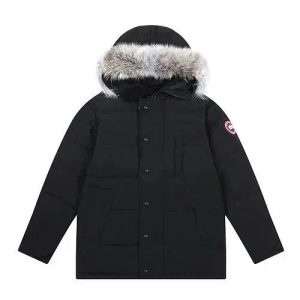
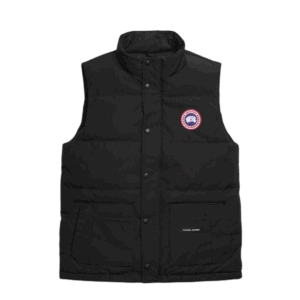
Puffer and insulated jackets represent the upper price range at $25-$40. The critical quality factor is fill consistency — down or synthetic insulation should be evenly distributed throughout the quilting channels, with no empty spots or clumping. We examine quilt channel stitching for even spacing and verify that the shell fabric is down-proof (tight enough to prevent fill from escaping through seams).
Sizing Reality Check
Jacket sizing on third-party platforms is the single biggest source of buyer disappointment. Here is what we have learned from curating this archive and tracking buyer feedback:
Always size up by one from your normal Western size. A medium in European sizing typically corresponds to a large or extra-large on the platform. This is not because the sizing is “wrong” — it is because the target market has different body proportion expectations. Jackets are cut for a slimmer shoulder and shorter torso, which means that even if the chest measurement matches your size, the shoulder width and sleeve length may not.
Check the actual garment measurements on the product page, not just the size label. The critical numbers are: shoulder width (seam to seam), chest width (armpit to armpit, laid flat), sleeve length (shoulder seam to cuff), and total length (collar to hem). Compare these to a jacket you already own that fits you well. A 2cm difference in shoulder width is noticeable; a 4cm difference changes the entire fit.
For layering, add 4-6cm to your desired chest measurement. If you want to wear a hoodie underneath your jacket, the jacket’s chest measurement (laid flat, doubled) should be at least 110cm for a comfortable medium build. Without this extra room, the jacket will fit fine over a t-shirt but be uncomfortably tight the moment you add a mid-layer.
Shipping Strategy for Jackets
Jackets are bulky and heavy — typically 600g to 1.2kg each — which makes them one of the more expensive categories to ship internationally. Here are the strategies that experienced buyers use to manage shipping costs:
Remove stuffing and hangers before shipping. Many jackets arrive from the seller stuffed with tissue paper or on a thin hanger to maintain shape for QC photos. Ask the agent to remove all stuffing and hangers before packing for international shipping — this can reduce volumetric weight by 20-30%.
Vacuum sealing is effective for puffer jackets but risky for structured jackets. A puffer jacket vacuum-sealed can shrink to the size of a book, dramatically reducing shipping cost. However, vacuum-sealing a varsity or denim jacket can permanently crease the fabric and deform the structure. Only vacuum-seal items that are designed to compress and recover.
Ship jackets separately from heavy items. Combining a jacket with shoes or jeans in a single package often pushes the total weight into a higher shipping tier, negating the savings from consolidation. If you are ordering both a jacket and other heavy items, compare the cost of one combined shipment versus two separate shipments — sometimes separate is actually cheaper.
FAQ
Q: Are the jackets water-resistant or waterproof?
A: Most jackets in the archive are water-resistant at best, not waterproof. Windbreakers may have a DWR coating that handles light rain, but none are designed for heavy precipitation. The product page notes water resistance where confirmed. For genuinely waterproof outerwear, a dedicated raincoat is a better choice than any jacket in this archive.
Q: How warm are the puffer jackets?
A: The puffer jackets in the archive are suitable for temperatures down to approximately -5°C to -10°C with a single mid-layer underneath. They are not expedition-grade outerwear but are more than adequate for urban winter conditions in most temperate climates.
Q: Can I request the agent to remove the brand tag?
A: Yes, the agent platform can remove tags, cut labels, or replace them with blank tags upon request. This is a common practice for buyers who want the jacket’s aesthetic without any visible branding. Specify your request in the order notes before QC approval.
For mid-layer options to wear under your jacket, our Joyagoo spreadsheet Hoodies & Sweaters collection offers 34 verified options that pair naturally with outerwear.