Showing 1–24 of 34 results
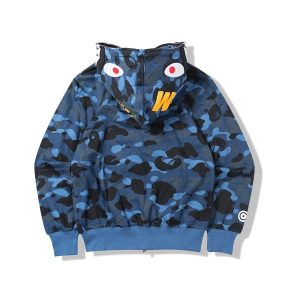
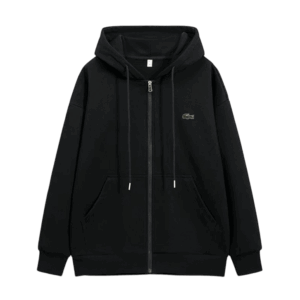
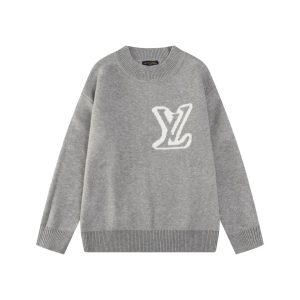
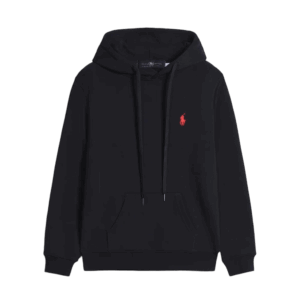
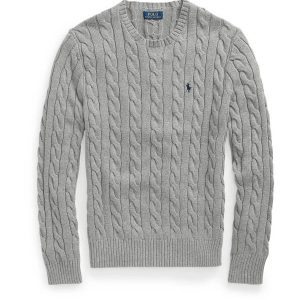
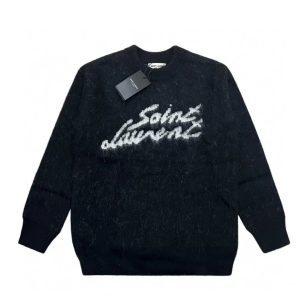
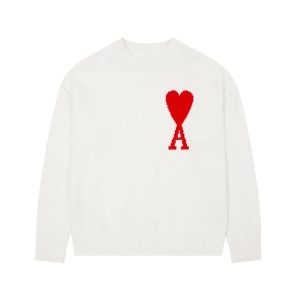
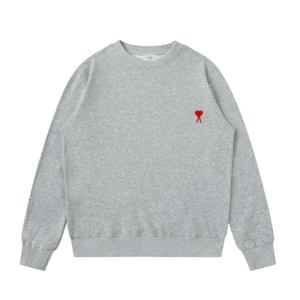
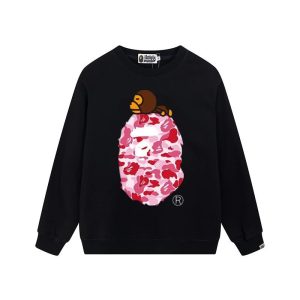
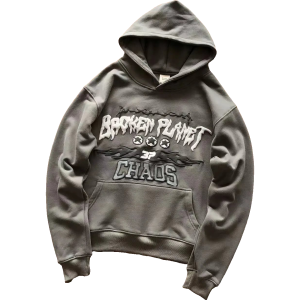
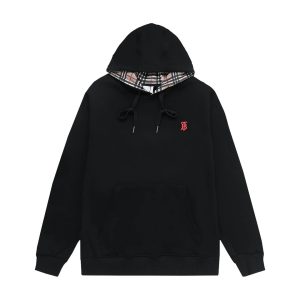
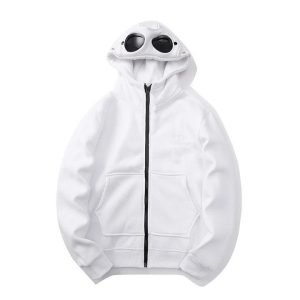
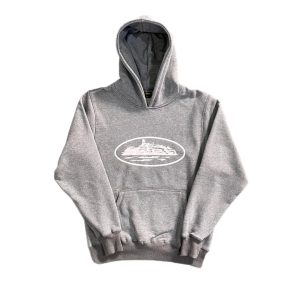
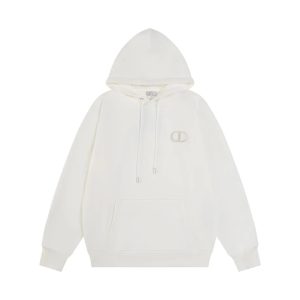
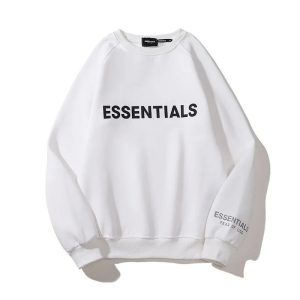
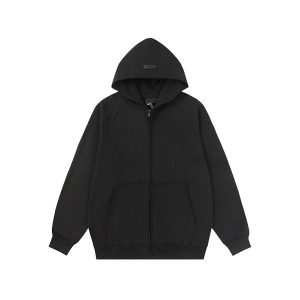
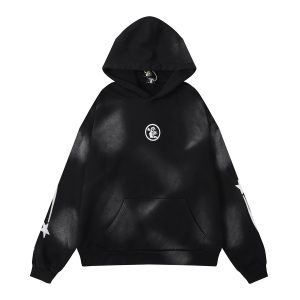
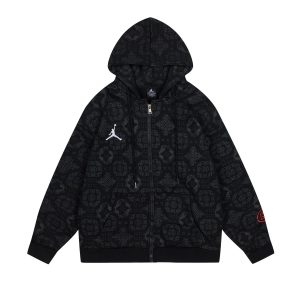
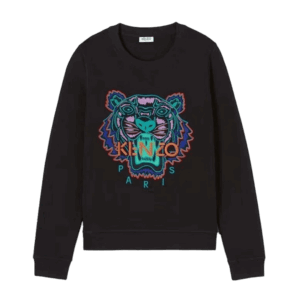
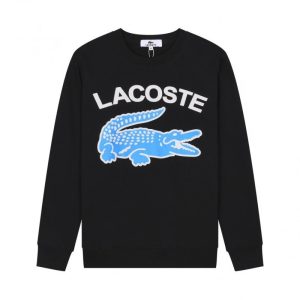
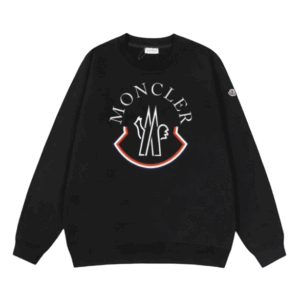
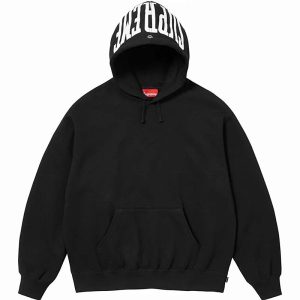
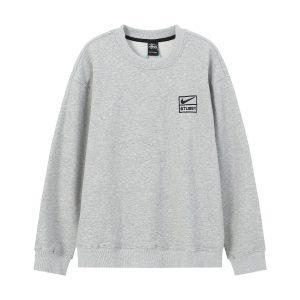
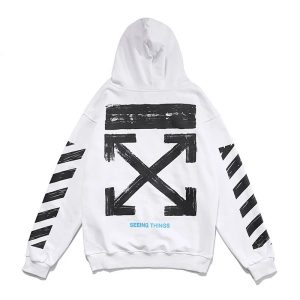
Hoodies/Sweaters Hub: 34 Hand-Picked Discoveries with Batch Analysis
The Hoodies/Sweaters category on Joyagoo Spreadsheet brings together 34 carefully indexed products from across the third-party sourcing landscape. Each item in this collection has been evaluated for material quality, construction standards, and overall value proposition. Our research team reviews batch consistency, brand accuracy, and market pricing data so that you can browse with confidence, knowing that every listing has passed through a structured quality assessment pipeline before appearing in this archive.
As part of the broader Best Joyagoo spreadsheet, this category serves as a filtered gateway. We do not sell or stock products. Instead, we aggregate, organize, and present sourcing options that have met our baseline quality thresholds, then direct you to verified third-party platforms where actual transactions occur. This separation between curation and commerce is what makes the spreadsheet model effective — we have no incentive to push any specific product, only to surface the best available options.
What We Evaluate in Hoodies/Sweaters Finds
Quality assessment in the Hoodies/Sweaters collection follows a multi-layered protocol designed to filter out substandard options before they reach the archive. Our evaluation begins with material analysis and extends through construction, design fidelity, and user-reported performance.
The material evaluation stage examines fiber content, texture, and weight appropriateness. Products must demonstrate consistency between claimed and actual material specifications, with particular attention to whether the fabric or primary material matches the standard expected for that product type and price tier.
Construction assessment covers the technical execution of assembly. We check for uniform stitching, properly aligned seams, functional hardware components, and adequate reinforcement at high-stress points. Products with visible assembly defects, loose threads, or misaligned panels are flagged and excluded from the archive.
Brand accuracy verification is critical for items inspired by specific designer pieces. We compare logo dimensions, font styling, color values, and placement positioning against established reference points. This process helps distinguish carefully produced versions from lower-quality imitations that miss the subtle details defining each brand’s aesthetic.
Market pricing analysis rounds out the evaluation. We track price points across multiple sources to establish reasonable ranges for each product category, helping you identify when a listing is overpriced relative to comparable options or when a deal seems too good to be true.
Brand Landscape & Selection Overview
Across the 34 products indexed in the Hoodies/Sweaters category, the brand landscape spans premium designer aesthetics, established streetwear labels, and independent producers offering value-driven alternatives. This diversity is intentional — the archive aims to present the full spectrum of what informed shoppers might encounter when sourcing through third-party platforms.
Designer-inspired entries dominate the higher price brackets, with products referencing houses recognized for signature patterns, iconic hardware, and unmistakable silhouettes. These options require the most rigorous accuracy assessment, as the visual details defining each brand are well-documented and deviations are immediately noticeable to knowledgeable observers.
Streetwear and contemporary options occupy the middle ground, blending recognizable brand elements with more forgiving construction standards. These products typically use cotton-heavy fabric blends, applied graphics, and relaxed fits that align with the casual nature of the category. Quality assessment for these items focuses on print durability, fabric weight, and color fastness rather than precise logo reproduction.
Value-tier products without strong brand associations complete the collection. These entries are judged purely on material quality, construction, and functional design. For budget-conscious shoppers who prioritize substance over branding, this segment often delivers surprising quality at accessible prices, and our evaluation data helps separate genuinely good value from cheaply produced disappointments.
Price Range Analysis & Value Tiers
The pricing structure across the Hoodies/Sweaters collection follows a predictable pattern influenced by brand positioning, material selection, and construction complexity. The archive presents products spanning from value-oriented basics to premium-grade specialty items, with clear quality distinctions visible at each tier.
At the foundational tier, products focus on delivering acceptable quality at the lowest sustainable price point. Materials tend toward standard commercial grades, construction uses simplified but functional methods, and design elements are kept straightforward. These products are suitable for testing a style, filling a gap in a rotation, or serving as everyday wear where premium investment is not warranted.
The middle tier is where most informed purchasing decisions happen. Products at this level demonstrate meaningful improvements in material selection, construction attention, and design detail accuracy. Fabrics feel denser, stitching appears more uniform, and brand-inspired elements show closer alignment with reference standards. The price increase over entry-level options is generally proportional to the quality improvement observed.
Upper-tier products command premium pricing by targeting the highest levels of material fidelity, construction precision, and brand detail reproduction available through third-party sourcing. While the cost is significantly higher, buyers in this segment receive products that pass the closest inspection and hold up best under extended, demanding use.
We track and publish price trend data across all tiers, making it easier to spot anomalies and time purchases strategically.
Buying Advice for Hoodies/Sweaters Shoppers
Making smart choices within the Hoodies/Sweaters collection comes down to understanding how quality metrics translate to real-world satisfaction. Our evaluation framework, applied to all 34 products in this archive, generates data that can guide your decisions if you know how to interpret it.
The overall value score on each product page condenses multiple quality dimensions into a single comparative rating. Products scoring above 4.5 out of 5.0 represent the top quartile of the category and have historically shown the lowest return and complaint rates. However, the individual sub-scores often tell a more useful story — a product with a slightly lower overall score but high marks in the dimensions most important to you may be a better choice than a higher-scoring product that excels in areas you care less about.
When evaluating sizing, the community-reported match rate is your most valuable data point. A high match rate indicates that the product’s sizing chart is reliable and that previous buyers received items fitting as expected. Low match rates suggest inconsistency, meaning you should order conservatively or seek additional sizing information before purchasing.
Budget allocation should account for the total landed cost, not just the product price. Shipping fees, potential customs charges, and agent service costs can add significantly to the final amount. Our price analysis focuses on the product cost, but we recommend calculating the full expense before finalizing any order to avoid surprises.
For experienced shoppers, the archive’s comparison capability is its strongest feature. Reviewing multiple similar products side by side, with standardized quality data for each, makes it possible to identify the genuinely superior option rather than relying on listing photos alone.
Care & Maintenance Guide
Maintaining products from the Hoodies/Sweaters collection properly ensures that the quality you evaluated at purchase time persists through extended use. Each product type in this category has specific care requirements that, when followed, significantly extend functional lifespan and visual appeal. For textile-based products, washing protocols directly impact longevity — incorrect water temperature, aggressive detergents, or machine drying when air drying is recommended can degrade fabric quality and compromise construction integrity within just a few cycles.
Hardware and structural components require different maintenance attention. Zippers should be kept clean and occasionally lubricated with wax or specialized products to maintain smooth operation. Stress points at seams and attachment areas benefit from periodic inspection, particularly for products that see regular heavy use. Color fastness can be preserved by minimizing prolonged sun exposure during storage and drying, as ultraviolet exposure is the primary cause of fading in dyed materials.
The care recommendations on individual product pages are tailored to the specific materials and construction methods used in each item. These guidelines combine manufacturer-provided information with practical insights from community members who have used the products over extended periods. Adhering to these recommendations not only preserves the product but also maintains the quality characteristics documented in our evaluation data, ensuring that the scores and assessments remain accurate references for future shoppers considering similar items.
Frequently Asked Questions
How often is the Hoodies/Sweaters archive updated with new products?
The Hoodies/Sweaters collection is refreshed as new products pass our quality evaluation. Our team continuously monitors third-party platforms for additions that meet our inclusion criteria, with the archive typically seeing updates several times per week depending on market activity.
Can I trust the quality scores shown on product pages?
Quality scores are generated through a structured assessment process examining material, construction, and design accuracy. While individual experiences may vary, the scoring system has been calibrated against community feedback to provide a reliable comparative benchmark across products in the same category.
What should I do if a product I want is out of stock?
Product availability on third-party platforms changes frequently. If a specific item is temporarily unavailable, we recommend checking back periodically, as restocks are common. Alternatively, browsing similar items within the Hoodies/Sweaters category often reveals comparable options at similar price points.
Does the archive include products from specific brands only?
The Hoodies/Sweaters category includes products across a wide brand spectrum, from designer-inspired pieces to unbranded value options. We do not limit the archive to any single brand — instead, we evaluate each product on its own merits and present those that meet our quality thresholds regardless of brand association.
The Hoodies/Sweaters archive is one component of the broader Best Joyagoo spreadsheet ecosystem. For related products, explore our Joyagoo spreadsheet T-Shirts and Joyagoo Jackets finds collections, which complement the Hoodies/Sweaters category with additional options that may suit your needs. Each category in the archive applies the same rigorous evaluation framework, ensuring consistent quality assessment standards across the entire platform.
Our commitment is to maintaining an independently curated, transparently evaluated, and regularly updated resource that helps you navigate the complex landscape of third-party product sourcing with confidence and efficiency.
Joyagoo Spreadsheet Hoodies & Sweaters — 34 Layering Picks with Batch QC Data
Hoodies are the backbone of a streetwear wardrobe — you wear them more than any other single item, which means construction quality matters more here than almost anywhere else. A hoodie that pills after two washes, a sweater whose cuffs lose their elasticity by week three, a kangaroo pocket that starts sagging after a month of carrying your phone — these are the failures that turn a good purchase into a regrettable one. The Joyagoo spreadsheet Hoodies and Sweaters section exists to prevent exactly these problems, with 34 products that have been individually assessed for fabric quality, construction integrity, and long-term wearability.
Our approach is different from a typical product listing site. We do not simply repost seller descriptions. Each product goes through a hands-on evaluation process where we examine fabric weight, stitch density, ribbing quality, and print or embroidery durability. Results are published as quality scores on every product page, so you can compare items objectively rather than relying on marketing language. When you are ready to buy, the link takes you to the agent platform for purchasing — we handle discovery, they handle fulfillment.
The web-based format is the whole point. Google Sheets may contain the same underlying data, but navigating a 2,000-row spreadsheet on a mobile phone while trying to compare fabric weights across four different hoodies is an exercise in frustration. This archive loads instantly, filters by price and type, and presents the information in a layout designed for decision-making.
Construction Quality: What We Actually Inspect
Hoodies and sweaters fail in predictable ways. Our evaluation targets these specific failure points before a product reaches the archive:
Fabric weight and density. This is the single most important quality indicator for any fleece or knit product. We check the declared gram weight (usually measured in GSM — grams per square meter) against the actual hand feel and drape. A hoodie claiming 380gsm that feels thin and papery is either mislabeled or using low-grade cotton that packs light. We cross-reference the claimed weight with visual fabric density in QC photos — tight, dense fleece that blocks light transmission indicates proper weight; fabric you can see through indicates corners were cut.
Fleece lining quality. On fleece-lined hoodies, the interior brushing should be even and dense, not patchy or thin. We examine the inside surface for consistent coverage — bald spots where the fleece is sparse indicate poor manufacturing. The fleece should also be tightly anchored to the base fabric; loosely bonded fleece pills and sheds onto whatever you wear underneath. We test this by running a finger firmly across the interior — if fibers come loose easily, the fleece bonding is substandard.
Ribbed cuff and hem elasticity. Cuffs and hems take more abuse than any other part of a hoodie or sweater. We stretch each cuff to 150% of its resting diameter and check whether it snaps back immediately. Cuffs that return slowly or remain stretched have insufficient elastic content in the ribbing. Over time, these cuffs will become loose and floppy, ruining both the fit and the thermal function of the garment. Quality ribbing uses 3-5% spandex or elastane blended with cotton; cheap ribbing is 100% cotton that loses shape within weeks.
Hood construction and lining. The hood should hold its shape when worn — not collapse flat against the head, and not stand up like a cone. We check that the hood panels are symmetrically cut and that the front opening sits naturally around the face without pulling. For double-lined hoods, we verify that the lining is fully attached and flat, not bunched or twisted. The drawstring holes should be reinforced with metal eyelets or bartack stitching to prevent the fabric from tearing when the drawstring is pulled.
Kangaroo pocket and side seam integrity. The front pocket is a structural weak point — it carries weight (phone, wallet, keys) and is subject to repeated stress. We examine the pocket’s attachment to the main body: the top edge should be securely sewn with a double-needle stitch or coverstitch, not a single straight line. The pocket opening should retain its shape when stretched, and the pocket bag should be deep enough to actually hold items without them sliding out when you sit down.
Print and embroidery durability. For hoodies with graphics, we assess print adhesion by performing a light tape-lift test — pressing adhesive tape onto the print and removing it to check for ink transfer. Quality prints leave no residue on the tape. Embroidery is checked for density and backing quality — a properly embroidered chest logo should have a firm backing that prevents distortion, while cheap embroidery lacks backing and distorts after washing.
The Collection: 34 Products Across Four Types
The archive covers the full spectrum of cold-weather layering pieces, each with distinct quality considerations:
Pullover hoodies are the most represented type, making up roughly 40% of the collection. These are the classic pull-over-the-head styles with a kangaroo pocket and hood. The key quality variables are fabric weight (look for 320gsm or higher for proper structure), fleece density, and cuff elasticity. Pricing ranges from $10 to $22, with the $14-$18 band delivering the best quality-to-cost ratio. Below $12, expect thinner fabric and weaker construction; above $20, the premium buys heavier fabric and more precise detailing but with diminishing returns.
Zip-up hoodies account for about a quarter of the archive. The critical quality factor here is the zipper — YKK metal zippers are the gold standard, and their absence is an immediate quality concern. We test zipper smoothness by running it up and down multiple times, checking for catching, misaligned teeth, or separation issues. The zipper tape should be securely sewn into the front placket with reinforced stitching at the bottom stop. Zip hoodies typically cost $2-$4 more than equivalent pullovers due to the hardware.
Crewneck sweaters — including fleece crewnecks, French terry pullovers, and knit sweaters — form the third group. These range from basic cotton fleece crews at $10-$15 to heavier knit sweaters at $15-$25. The quality differentiator is fabric texture and recovery: French terry should have a smooth face with looped interior, knit sweaters should have even tension throughout with no loose stitches or dropped loops. Crewnecks without hoods or pockets are simpler in construction, which means fewer failure points but also less room to hide construction flaws.
Knit and cardigan sweaters round out the collection with a smaller but distinct selection. These use knitted construction rather than cut-and-sew fleece, and the evaluation criteria shift accordingly: stitch pattern consistency, yarn quality (pilling resistance), and ribbed edge recovery become the primary concerns. These are typically the most expensive items in the archive, $18-$30, because knit construction is more labor-intensive.
How to Choose the Right Weight
Fabric weight is the most misunderstood specification in hoodies and sweaters. Here is a practical guide to interpreting GSM numbers:
240-280gsm is lightweight, suitable for spring and early autumn layering. These pieces drape softly and pack small, making them good travel options. They lack the structure of heavier hoodies and will not hold a standing shape on their own. Expect a relaxed, slouchy fit.
300-340gsm is midweight — the most versatile range. These hoodies work for three seasons, have enough structure to maintain their shape, and provide meaningful warmth without being excessively hot. Most products in our archive fall in this range. If you are buying your first hoodie from the platform, aim for this tier.
350gsm and above is heavyweight. These are structured, warm, and substantial — the kind of hoodie you can wear as a light jacket. The fabric holds its shape standing up, and the fleece lining is thick enough to provide real insulation. The trade-off is bulk: these hoodies take up more space in a shipment and are warmer than most spring or indoor situations require.
Practical Buying Strategies
Based on our analysis of the 34 products and feedback from buyers who have ordered through the platform:
Size up for layering, not for comfort. Hoodies are often worn over t-shirts or long-sleeve undershirts. If you plan to layer, going one size up gives you the room you need without the hoodie looking oversized when worn alone. However, do not size up more than one size — a hoodie that is two sizes too large will have shoulders that drop past your biceps and sleeves that cover your hands, which looks sloppy rather than relaxed.
Wash inside-out, always. This is the single most effective care step for preserving hoodie quality. Washing inside-out protects printed graphics from abrasion, reduces pilling on the outer surface, and minimizes color fading. Air drying is strongly recommended — machine drying at high heat breaks down fleece fibers, shrinks ribbing, and cracks prints. If you must machine dry, use the lowest heat setting and remove the hoodie while it is still slightly damp.
Consolidate with lighter items. Hoodies and sweaters are bulky — a single heavyweight hoodie can weigh 600-800 grams. To keep shipping costs reasonable, consolidate hoodies with lightweight items like socks, accessories, or t-shirts rather than with other bulky items like jackets. The volumetric weight of a package containing three hoodies will be significantly higher than the actual weight, and shipping costs reflect volumetric weight.
Check the QC photo for ribbing recovery. When your QC photos arrive, look specifically at the cuffs and hem. If the ribbing appears stretched out or wavy in the photo, that is how it will arrive. Ask the agent to stretch a cuff and photograph it both stretched and relaxed — if it does not snap back immediately in the photo, it will not snap back in real life either.
FAQ
Q: Will my hoodie shrink after washing?
A: Cotton hoodies typically shrink 3-5% in the first wash if exposed to hot water or high heat drying. This amounts to roughly half a size. To minimize shrinkage, wash in cold water and air dry. Pre-shrunk fabrics (noted on some product pages) shrink less — usually 1-2%.
Q: How do I know if the fabric weight listed is accurate?
A: We cross-reference declared GSM against visual density in QC photos and hand-feel descriptions. However, we cannot weigh every garment. As a rule of thumb, if a hoodie claims 400gsm but the QC photo shows a fabric that light passes through when held up to a lamp, the actual weight is likely lower than claimed.
Q: Are the drawstrings functional or decorative?
A: All hoodies in the archive have functional drawstrings. We check that drawstrings are threaded through both eyelets and can be tightened and loosened. The drawstring length is noted on product pages where it deviates significantly from standard (typically 60-80cm).
Q: What is the difference between French terry and fleece?
A: French terry has a smooth face and looped (unbrushed) interior, giving it a lighter, more structured feel. Fleece has a brushed interior that is softer and warmer but adds bulk. French terry hoodies typically weigh 240-300gsm, while fleece hoodies range from 320gsm upward.
Q: Can I request additional QC photos of specific areas?
A: Yes. The agent platform allows you to request additional photos before approving your order. We recommend asking for close-ups of the cuffs, hood lining, and pocket attachment if these areas are not clearly shown in the initial QC batch.
For outerwear options to layer over your hoodie, browse our Joyagoo spreadsheet Jackets collection. And if you are new to the platform, the Best Joyagoo spreadsheet homepage gives you the full category overview.