Showing all 23 results


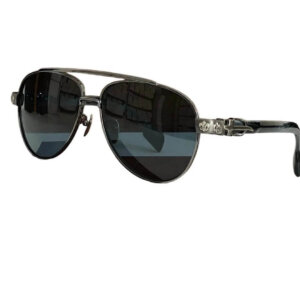
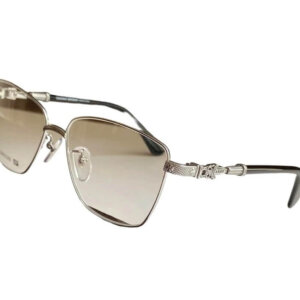
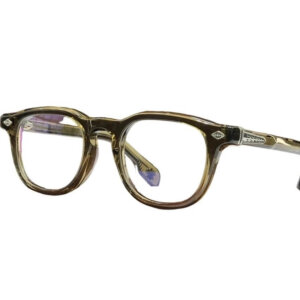


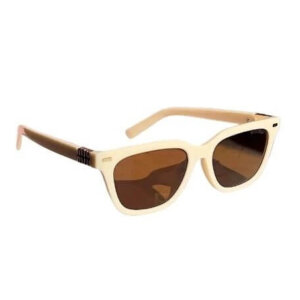
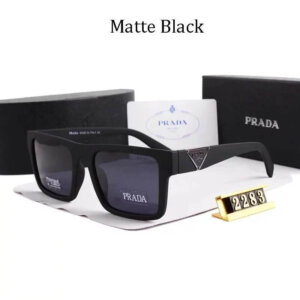
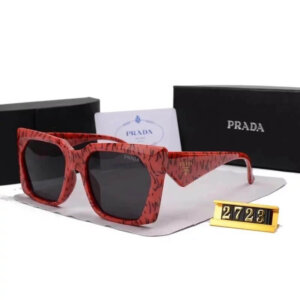
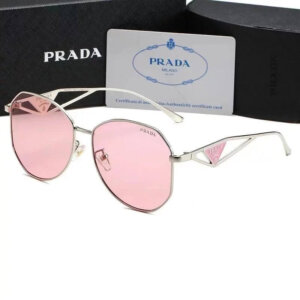
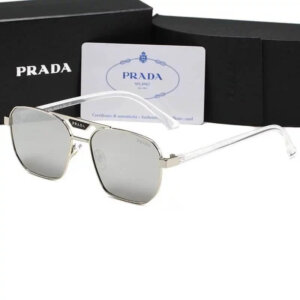


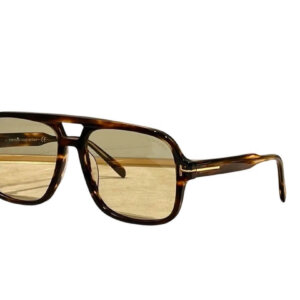

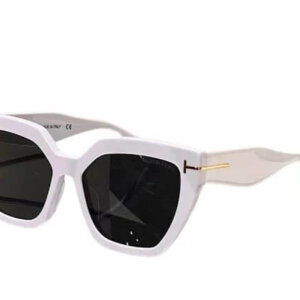
Glasses Collection — 23 Products Reviewed & Indexed
Welcome to the Glasses section of Joyagoo Spreadsheet, where 23 products are catalogued, analyzed, and ready for your review. This archive represents months of systematic sourcing research, with each product entry evaluated across multiple quality dimensions before inclusion. Whether you are looking for specific brand-inspired pieces or exploring what the current market has to offer, this collection provides the structured data you need to make informed decisions without spending hours scrolling through unverified listings.
The Best Joyagoo spreadsheet operates as an independent discovery platform. We do not handle transactions, manage inventory, or process payments. Our function is purely informational — we collect, filter, and present product options from third-party sources, giving you a consolidated view of what is available, what quality to expect, and what price range is reasonable for each category of goods.
What We Evaluate in Glasses Finds
Quality assessment in the Glasses collection follows a multi-layered protocol designed to filter out substandard options before they reach the archive. Our evaluation begins with material analysis and extends through construction, design fidelity, and user-reported performance.
The material evaluation stage examines fiber content, texture, and weight appropriateness. Products must demonstrate consistency between claimed and actual material specifications, with particular attention to whether the fabric or primary material matches the standard expected for that product type and price tier.
Construction assessment covers the technical execution of assembly. We check for uniform stitching, properly aligned seams, functional hardware components, and adequate reinforcement at high-stress points. Products with visible assembly defects, loose threads, or misaligned panels are flagged and excluded from the archive.
Brand accuracy verification is critical for items inspired by specific designer pieces. We compare logo dimensions, font styling, color values, and placement positioning against established reference points. This process helps distinguish carefully produced versions from lower-quality imitations that miss the subtle details defining each brand’s aesthetic.
Market pricing analysis rounds out the evaluation. We track price points across multiple sources to establish reasonable ranges for each product category, helping you identify when a listing is overpriced relative to comparable options or when a deal seems too good to be true.
Brand Landscape & Selection Overview
Across the 23 products indexed in the Glasses category, the brand landscape spans premium designer aesthetics, established streetwear labels, and independent producers offering value-driven alternatives. This diversity is intentional — the archive aims to present the full spectrum of what informed shoppers might encounter when sourcing through third-party platforms.
Designer-inspired entries dominate the higher price brackets, with products referencing houses recognized for signature patterns, iconic hardware, and unmistakable silhouettes. These options require the most rigorous accuracy assessment, as the visual details defining each brand are well-documented and deviations are immediately noticeable to knowledgeable observers.
Streetwear and contemporary options occupy the middle ground, blending recognizable brand elements with more forgiving construction standards. These products typically use cotton-heavy fabric blends, applied graphics, and relaxed fits that align with the casual nature of the category. Quality assessment for these items focuses on print durability, fabric weight, and color fastness rather than precise logo reproduction.
Value-tier products without strong brand associations complete the collection. These entries are judged purely on material quality, construction, and functional design. For budget-conscious shoppers who prioritize substance over branding, this segment often delivers surprising quality at accessible prices, and our evaluation data helps separate genuinely good value from cheaply produced disappointments.
Price Range Analysis & Value Tiers
The pricing structure across the Glasses collection follows a predictable pattern influenced by brand positioning, material selection, and construction complexity. The archive presents products spanning from value-oriented basics to premium-grade specialty items, with clear quality distinctions visible at each tier.
At the foundational tier, products focus on delivering acceptable quality at the lowest sustainable price point. Materials tend toward standard commercial grades, construction uses simplified but functional methods, and design elements are kept straightforward. These products are suitable for testing a style, filling a gap in a rotation, or serving as everyday wear where premium investment is not warranted.
The middle tier is where most informed purchasing decisions happen. Products at this level demonstrate meaningful improvements in material selection, construction attention, and design detail accuracy. Fabrics feel denser, stitching appears more uniform, and brand-inspired elements show closer alignment with reference standards. The price increase over entry-level options is generally proportional to the quality improvement observed.
Upper-tier products command premium pricing by targeting the highest levels of material fidelity, construction precision, and brand detail reproduction available through third-party sourcing. While the cost is significantly higher, buyers in this segment receive products that pass the closest inspection and hold up best under extended, demanding use.
We track and publish price trend data across all tiers, making it easier to spot anomalies and time purchases strategically.
Buying Advice for Glasses Shoppers
Making smart choices within the Glasses collection comes down to understanding how quality metrics translate to real-world satisfaction. Our evaluation framework, applied to all 23 products in this archive, generates data that can guide your decisions if you know how to interpret it.
The overall value score on each product page condenses multiple quality dimensions into a single comparative rating. Products scoring above 4.5 out of 5.0 represent the top quartile of the category and have historically shown the lowest return and complaint rates. However, the individual sub-scores often tell a more useful story — a product with a slightly lower overall score but high marks in the dimensions most important to you may be a better choice than a higher-scoring product that excels in areas you care less about.
When evaluating sizing, the community-reported match rate is your most valuable data point. A high match rate indicates that the product’s sizing chart is reliable and that previous buyers received items fitting as expected. Low match rates suggest inconsistency, meaning you should order conservatively or seek additional sizing information before purchasing.
Budget allocation should account for the total landed cost, not just the product price. Shipping fees, potential customs charges, and agent service costs can add significantly to the final amount. Our price analysis focuses on the product cost, but we recommend calculating the full expense before finalizing any order to avoid surprises.
For experienced shoppers, the archive’s comparison capability is its strongest feature. Reviewing multiple similar products side by side, with standardized quality data for each, makes it possible to identify the genuinely superior option rather than relying on listing photos alone.
Care & Maintenance Guide
Maintaining products from the Glasses collection properly ensures that the quality you evaluated at purchase time persists through extended use. Each product type in this category has specific care requirements that, when followed, significantly extend functional lifespan and visual appeal. For textile-based products, washing protocols directly impact longevity — incorrect water temperature, aggressive detergents, or machine drying when air drying is recommended can degrade fabric quality and compromise construction integrity within just a few cycles.
Hardware and structural components require different maintenance attention. Zippers should be kept clean and occasionally lubricated with wax or specialized products to maintain smooth operation. Stress points at seams and attachment areas benefit from periodic inspection, particularly for products that see regular heavy use. Color fastness can be preserved by minimizing prolonged sun exposure during storage and drying, as ultraviolet exposure is the primary cause of fading in dyed materials.
The care recommendations on individual product pages are tailored to the specific materials and construction methods used in each item. These guidelines combine manufacturer-provided information with practical insights from community members who have used the products over extended periods. Adhering to these recommendations not only preserves the product but also maintains the quality characteristics documented in our evaluation data, ensuring that the scores and assessments remain accurate references for future shoppers considering similar items.
Frequently Asked Questions
Why do some products in the Glasses category have different quality scores?
Quality scores vary because they reflect actual differences in material composition, construction precision, and design accuracy between products. Higher scores indicate closer alignment with reference standards and better overall execution, while lower scores identify areas where the product falls short of the category benchmark.
How do I choose between similar products in this category?
Start by comparing the quality sub-scores most relevant to your priorities. If material quality matters most, focus on the craftsmanship score. If fit is your primary concern, prioritize products with high sizing match rates. Price comparison should always be the final step after narrowing by quality, not the first filter.
Are the prices shown in the archive current?
We track and update pricing data regularly, but third-party platform prices can change without notice. The prices shown serve as reference points and historical baselines. Always verify the current price on the actual platform before making a purchase decision.
What makes Joyagoo Spreadsheet different from browsing platforms directly?
The spreadsheet model consolidates, evaluates, and organizes scattered product listings into a single filterable archive. Instead of browsing hundreds of individual listings with inconsistent information, you see standardized quality data, comparative pricing, and curated selections that have already passed initial quality screening.
Browse the full Glasses collection above, or explore complementary categories like Joyagoo Accessories finds and Joyagoo spreadsheet Watches archive for additional options. The Best Joyagoo spreadsheet connects all categories through a unified quality assessment framework, so you can move between collections with the same reliable data standards supporting every product listing.
Whether you are making your first purchase in this category or adding to an established collection, the archived evaluation data and community-driven insights on each product page are designed to support informed, confident decision-making at every step.
Joyagoo Spreadsheet Glasses — 23 Eyewear Finds with Full QC Review
Sunglasses, optical frames, blue-light blockers — eyewear is one of those categories where a single millimeter of misalignment turns a stylish accessory into an unwearable disappointment. That is exactly why we built the Glasses section of the Joyagoo spreadsheet: to give you a curated, QC-verified archive of 23 eyewear products that have been measured, photographed, and assessed before being listed. No more guessing from low-resolution thumbnails or trusting seller descriptions that promise “premium quality” without backing it up.
The platform works as a discovery layer. We scan sourcing channels for eyewear listings, pull the product data into our system, run each item through a category-specific quality assessment, and publish the ones that pass. When you find something you like, clicking through takes you to the agent platform where the actual purchase happens. We do not stock inventory or process payments — the Best Joyagoo spreadsheet exists purely to make the browsing phase faster and more reliable than scrolling through a Google Sheet that takes half a minute to load.
What Matters Most When Evaluating Eyewear
Glasses are unlike apparel in one critical way: even a perfectly constructed frame is useless if it does not fit your face. Our evaluation process reflects this dual concern — build quality and wearability. Here is what we check before a pair of glasses enters the archive:
Lens clarity and coating uniformity. We examine lenses for bubbles, swirl marks, distortion zones, and coating consistency. Photochromic lenses should transition smoothly without visible banding. Polarized lenses are checked for stress patterns by holding them against an LCD screen and rotating — uneven polarization shows up as blotchy darkening, which indicates a manufacturing defect.
Frame symmetry and alignment. A frame that looks straight in photos but sits crooked on your face is a common failure. We measure the distance from each temple tip to the lens edge and flag anything with more than 2mm of asymmetry. The bridge is checked for centering — if the nose bridge is offset by even 1mm, the glasses will sit at an angle and no amount of adjustment will fully correct it.
Hinge tension and durability. The hinge is the most common failure point on any pair of glasses. We test spring hinges by opening and closing them 20+ times to check for consistent tension, squeaking, or metal-on-metal grinding. Non-spring barrel hinges are checked for screw tightness and rivet security. A loose hinge out of the box will only get worse, and a hinge that is too tight will stress the frame material until it cracks.
Nose pad alignment and material. For frames with nose pads, we check that both pads are symmetrically positioned and angled identically. Pads that are mismatched in angle or height create uneven pressure that becomes painful after 30 minutes of wear. We also verify the pad material — silicone pads should be soft and tacky, not hard and slick, which indicates either low-quality material or aging stock.
Temple arm flexibility and memory. Acetate frames should have enough flex to open wider than your head width without snapping, but enough memory to return to their original shape. We gently flex temple arms to test for brittleness — cheap acetate cracks under minimal pressure, while properly cured material bends slightly and returns. Metal wire cores inside temple arms are checked for even thickness, since thin spots create weak points that bend permanently during normal use.
Screw and rivet security. Every screw in the frame — hinge screws, bridge screws, rim wire screws — is checked for tightness. Loose screws on arrival mean the frame will fall apart within days. We also look for riveted construction versus screwed construction, as riveted hinges cannot be easily repaired if they fail.
The 23 Products in This Archive
The Glasses collection is intentionally focused rather than sprawling. With 23 items, we prioritize quality over quantity. The archive breaks down into three functional groups:
Sunglasses make up roughly half the collection. These range from classic silhouette references — wayfarer shapes, aviator styles, rectangular sport frames — to more fashion-forward designs with colored lenses and bold temple detailing. Pricing typically falls between $8 and $25, with UV400 protection verified on every entry. The key differentiator within this group is lens quality: cheaper options use stamped tinted plastic that distorts vision at the edges, while better options use properly ground lenses with uniform thickness.
Optical frames — clear-lens frames designed for prescription lenses or wear-as-accessory — account for about a third of the archive. These are popular among buyers who plan to take the frames to a local optician for lens replacement. The critical factor here is frame material quality, since opticians will refuse to work with frames that are too brittle or warped. Acetate frames in the $12-$20 range generally pass optician inspection, while sub-$8 plastic frames often do not.
Blue-light and specialty glasses round out the collection. These include computer glasses with yellow-tinted lenses, gaming glasses with slight magnification, and a few fashion pieces with colored non-prescription lenses. They are the lightest and cheapest items in the archive, typically $5-$12, and serve well as low-risk first purchases for testing the Joyagoo platform.
Understanding Pricing Across Eyewear
Eyewear pricing on third-party platforms follows a different logic than apparel. A t-shirt at $5 and a t-shirt at $15 are clearly different quality tiers, but a pair of sunglasses at $8 and a pair at $18 might use identical frame material — the price difference often comes down to lens quality, brand reference accuracy, and packaging rather than fundamental construction.
The $5-$10 range delivers functional eyewear that looks right in photos but reveals compromises under close inspection: mild lens distortion at the periphery, hinges with slight play, and temple arms that may not sit perfectly straight. These are fine for casual use — driving, beach trips, outdoor events — but not for all-day wear.
The $10-$18 range is where construction quality takes a noticeable step up. Hinges feel firmer, lenses are clearer, and frame alignment is more precise. If you plan to wear the glasses daily, this is the minimum tier we recommend. The improvement in comfort and durability justifies the extra $5-$8 without question.
Above $18, you are paying for closer reference accuracy — finer detailing on logos, better lens coatings, and packaging that includes a hard case and microfiber cloth rather than a poly bag. The frame construction quality at this level is marginally better than the $10-$18 tier, so the premium is mostly about aesthetic fidelity and accessories rather than structural improvement.
Real-World Buying Advice
After curating this archive and hearing back from buyers, several patterns have emerged that can save you from common eyewear mistakes:
Measure your current frames before ordering. The most useful thing you can do is take a pair of glasses you already own and that fit well, then measure: total width, lens width, bridge width, temple length, and lens height. Compare these numbers to the dimensions listed on our product pages. A 2mm difference in bridge width can mean the difference between glasses that sit comfortably and glasses that pinch or slide.
Request QC photos with the glasses fully open and laying flat. This angle reveals frame symmetry better than any other. If the temples do not sit flat against a surface, the frame is warped. Also ask for a photo of the hinges from the side — you can see screw quality and rivet condition clearly from this angle.
Ask about lens replacement compatibility. If you intend to have prescription lenses installed, confirm with the seller that the frame uses a standard lens groove width. Some fashion frames use non-standard groove sizes that opticians cannot work with. This is not a quality issue — it is a compatibility issue that no amount of QC can resolve.
Factor in shipping weight. Glasses are light — typically 30-50 grams without a case, 150-200 grams with a hard case. This makes them one of the cheapest categories to ship internationally. However, hard cases are bulky and can push a package into the next volumetric weight tier if consolidated with other items. If shipping cost is a priority, ask the agent to use a soft pouch instead of a hard case.
FAQ
Q: Do the sunglasses offer real UV protection?
A: Every pair of sunglasses in our archive is listed as UV400 by the seller. We verify this claim through visual inspection of lens markings, but we do not have lab equipment to test actual UV transmission. If UV protection is critical for your use case (e.g., high-altitude activities, medical sensitivity), we recommend purchasing from a local retailer with certified testing.
Q: Can I put prescription lenses in these frames?
A: For optical frames in the archive, yes — most use standard lens groove sizes compatible with optician equipment. For sunglasses, it depends on the frame construction. Frames with removable lenses can be fitted with prescription lenses, but molded one-piece designs cannot. Check the product page notes or ask the seller before ordering.
Q: How do I know what size frame fits my face?
A: Measure a pair of glasses you already own that fit well. The key dimensions are total frame width (temple tip to temple tip), lens width, and bridge width. Compare these to the dimensions listed on our product pages. A difference of 2-3mm in total width is usually fine; more than 5mm will be noticeable.
Q: Are the lenses polarized?
A: Some entries in the archive are polarized and some are not. Polarization is noted on each product page where confirmed. You can verify polarization yourself by holding the glasses in front of an LCD screen and rotating them 90 degrees — polarized lenses will darken significantly at one angle.
For complementary categories, explore the full range of Joyagoo spreadsheet Watches — eyewear and timepieces naturally pair as statement accessories for any outfit.