Showing 49–72 of 75 results


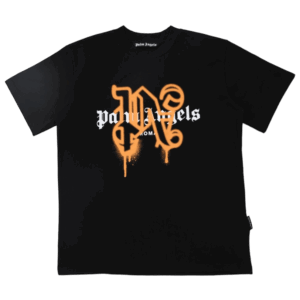


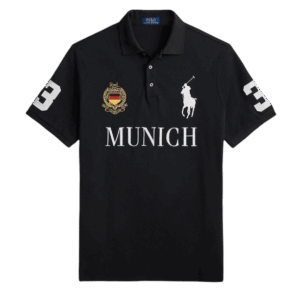


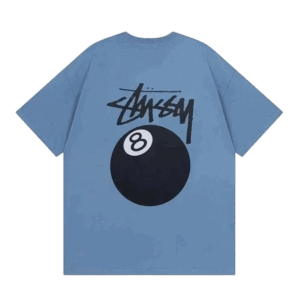


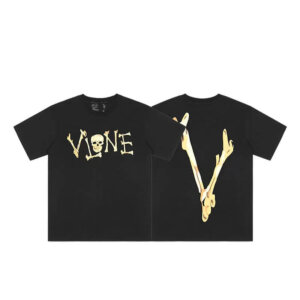


Joyagoo Spreadsheet T-Shirts — 75 Tees with Fabric Weight, Print & Collar QC
The t-shirt is the most fundamental item in any wardrobe and the most frequently purchased product on our platform. With 75 options in the Joyagoo spreadsheet T-Shirts archive, this is also the largest single category — which means the quality range is wider here than anywhere else. A $6 tee and a $20 tee exist in the same catalog, and our job is to help you understand exactly what the extra $14 buys you, so you can make an informed decision rather than guessing based on thumbnail photos and seller claims.
This archive replaces the spreadsheet browsing experience that most sourcing platforms rely on. Instead of loading a 2,000-row Google Sheet and scrolling through unverified listings, you get a filterable, instantly-loading catalog where every t-shirt has been assessed for fabric weight, print durability, collar construction, and stitching quality. When you find the right tee, the link takes you to the agent platform to place your order — we curate, you buy.
For the full platform overview, the Best Joyagoo spreadsheet homepage shows every available category.
T-Shirt Quality: Five Things That Separate Good from Bad
A t-shirt is a simple garment, which means there is nowhere to hide construction flaws. Every detail is visible and every shortcut the manufacturer took shows up within a few wears. Our evaluation focuses on the five areas where quality differences are most apparent:
Fabric weight and yarn quality. Weight is the starting point for any t-shirt assessment. We verify claimed GSM (grams per square meter) against visual density and hand-feel descriptions in QC photos. A 180gsm tee should have visible body and substance — if it drapes like tissue paper, the actual weight is lower than claimed. Beyond weight, we assess yarn quality by examining the fabric surface: long-staple cotton produces a smooth, even face with no fuzzing, while short-staple cotton has a slightly hairy surface that pills after the first wash. Combed cotton (noted on some product pages) has been processed to remove short fibers, resulting in a smoother, more durable fabric.
Collar construction and recovery. The collar is the first part of a t-shirt to show wear. We stretch the collar to 150% of its resting diameter and check recovery — a quality collar snaps back immediately; a poor collar stays stretched and wavy. We examine collar construction type: ribbed collars (standard on most tees) should have consistent ribbing tension throughout; ribbed collars with spandex (2-5%) maintain elasticity longer than 100% cotton ribbing. The collar should also lie flat against the body — a collar that curls upward or folds inward indicates improper interfacing or incorrect cutting.
Shoulder seam placement and construction. The shoulder seam should sit at the natural shoulder point — where your shoulder bone meets your arm. Seams that droop past this point onto the upper arm indicate either poor sizing or a dropped-shoulder design (which is intentional on oversized tees but should be noted). We check that shoulder seams are flat-felled or coverstitched (smooth against the skin) rather than overlocked (which creates a raised ridge that can be visible through thin fabrics). The seam allowance should be consistent and flat, not bunching or twisting.
Print and graphic durability. For graphic tees, print quality is as important as fabric quality. We assess print type (plastisol, water-based, discharge, or DTG) by examining the print surface in QC photos. Plastisol prints sit on top of the fabric with a slightly rubbery feel — durable but heavy. Water-based and discharge prints soak into the fabric for a softer hand but may show less opacity. We perform a tape-lift test on prints where possible: pressing tape onto the print and removing it to check for ink transfer. Quality prints leave no residue. We also check registration accuracy on multi-color prints — colors should align precisely with no overlapping or gapping.
Sleeve construction and length consistency. Sleeves should be symmetrical — both sleeves the same length and the same opening diameter. We measure sleeve length in QC photos and flag any asymmetry. For short sleeves, the ideal length hits midway between the shoulder and the elbow. Sleeves that are too long (past the elbow) look like a child’s hand-me-down; sleeves that are too short (barely covering the shoulder) look like they belong on a tank top. The sleeve hem should be evenly stitched with no twisting, and the opening should be large enough to accommodate the upper arm without constriction.
75 T-Shirts: The Full Spectrum
The T-Shirts archive is the largest category on the platform, covering every major t-shirt style:
Plain crewneck tees are the foundation — solid colors, no graphics, designed for everyday wear. These are the highest-volume sellers because they are versatile, affordable, and easy to QC. The critical quality variables are fabric weight (look for 180-220gsm for a quality everyday tee) and collar recovery. Pricing: $5-$12, with the $7-$10 range delivering the best value. Below $7, expect thinner fabric (150gsm or less) and collars that lose shape within a few washes.
Graphic and printed tees feature designs ranging from minimalist logos to full-front artwork. The quality assessment for graphic tees centers on print durability — a great design on a cheap print that cracks after one wash is a waste of money. We note the print type on each product page and recommend washing printed tees inside-out in cold water to maximize print life. Graphic tees run $7-$16, with the premium reflecting both the print quality and the design complexity.
Oversized and streetwear tees are cut with dropped shoulders, longer bodies, and wider sleeves for a relaxed, fashion-forward silhouette. The quality concern for oversized tees is fabric weight — because the garment is larger, thin fabric looks even more see-through than on a standard tee. We recommend 200gsm or heavier for oversized tees to maintain structure and opacity. Oversized tees typically cost $8-$16.
Long-sleeve tees extend the t-shirt concept to cooler weather. These are assessed for the same criteria as short-sleeve tees, with additional attention to cuff construction (long sleeves need finished cuffs, not raw hems) and sleeve length (should reach the wrist bone). Long-sleeve tees are $8-$15 and serve as excellent layering pieces under hoodies and jackets.
Pocket tees feature a small chest pocket that adds visual interest to an otherwise plain shirt. We check that the pocket is symmetrical, properly aligned with the center of the chest, and securely attached with reinforced stitching at the top corners. Pocket tees typically cost $1-$2 more than equivalent plain tees.
Fabric Weight Guide: Choosing the Right GSM
Understanding fabric weight is the single most useful skill for buying t-shirts online. Here is a practical guide:
120-160gsm (lightweight). These are thin, breathable tees ideal for hot summer wear or as undershirts beneath dress shirts. They are semi-transparent in light colors and will not hold their shape as well as heavier fabrics. Best for casual, short-duration wear where breathability is the priority. Not recommended for graphic prints, as thin fabric cannot support heavy ink coverage without distorting.
170-200gsm (midweight). The sweet spot for most t-shirts. These have enough body to be fully opaque, hold their shape through repeated washing, and provide a quality feel without being excessively warm. Most tees in our archive fall in this range. If you are buying your first tee from the platform, aim for 180gsm — it is the most versatile weight and works across three seasons.
210-260gsm (heavyweight). These are substantial, structured tees that feel almost like light sweatshirts. They hold their shape standing up, drape cleanly, and provide excellent print surfaces for graphics. However, they can be warm in summer and may feel restrictive in hot, humid conditions. Heavyweight tees are popular in streetwear for their premium feel and structured silhouette. They also cost more, typically $12-$20.
Above 260gsm. This is “blank weight” territory — the kind of fabric used by premium streetwear brands for their flagship tees. At this weight, the tee functions almost as outerwear. Few products in our archive reach this weight, as the cost of fabric at this density pushes pricing above $20.
Print Care: Making Graphics Last
Print failure is the most common disappointment with graphic tees. Here is how to maximize print life:
Wash printed tees inside-out in cold water. This single step doubles the life of most prints. The inside-out position prevents the print from rubbing against other garments during the wash cycle, which is the primary cause of print abrasion and cracking. Cold water preserves both the print and the fabric — hot water softens plastisol inks and can cause water-based prints to fade.
Never iron directly on a print. The heat from an iron will melt plastisol prints and scorch water-based prints. If ironing is necessary, turn the shirt inside-out and iron the reverse side, or place a cloth between the iron and the print.
Air drying is strongly recommended for all printed tees. Machine drying at high heat is the fastest way to destroy a t-shirt print — the combination of heat and tumbling action causes prints to crack, peel, and fade. If machine drying is unavoidable, use the lowest heat setting and remove the shirt while it is still slightly damp.
Expect some print aging regardless of care. Even with perfect care, plastisol prints will develop fine cracks after 15-20 wash cycles, and water-based prints will gradually fade. This is normal wear, not a quality defect. The goal of proper care is to extend print life as long as possible, not to prevent aging entirely.
FAQ
Q: How much do t-shirts shrink after washing?
A: Cotton t-shirts typically shrink 3-5% in the first wash if exposed to hot water or machine drying. This is roughly half a size. Pre-shrunk tees (noted on product pages) shrink 1-2%. To minimize shrinkage, wash in cold water and air dry. If you are between sizes and plan to machine dry, size up to account for shrinkage.
Q: Will the graphic crack or peel?
A: All prints eventually show wear, but quality prints should last 15-20 wash cycles before visible cracking appears. Following the care guidelines above (inside-out, cold wash, air dry) can extend this to 25-30 cycles. If a print cracks or peels within the first 5 washes, it indicates a substandard print application — this should not happen with products in our archive.
Q: Are the t-shirts true to size?
A: Sizing varies by style. Plain crewneck tees generally run true to standard sizing. Oversized tees are intentionally cut large — a size medium oversized tee fits like a size large standard tee. Always check the actual garment measurements (chest width, length, shoulder width) on the product page rather than relying on the size label, and compare these to a tee you already own that fits well.
Q: What is the difference between combed cotton and regular cotton?
A: Combed cotton has been processed to remove short fibers and impurities, resulting in a smoother, stronger, and more uniform fabric. Regular (carded) cotton retains short fibers, which creates a slightly fuzzier surface that is more prone to pilling. Combed cotton tees cost slightly more but last longer and feel softer against the skin. We note combed cotton construction on product pages where confirmed.
For heavier layering pieces to wear over your tees, explore our Joyagoo spreadsheet Hoodies & Sweaters collection — 34 options in various weights and styles.