Showing 25–42 of 42 results


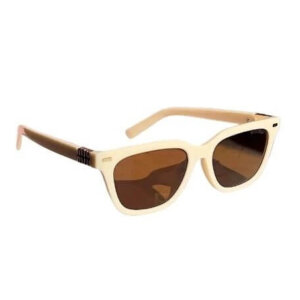
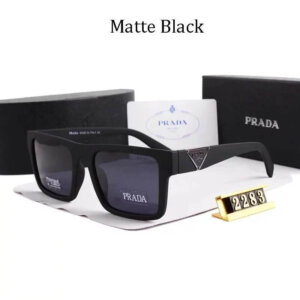
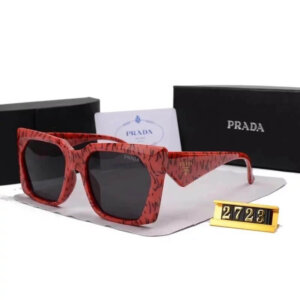
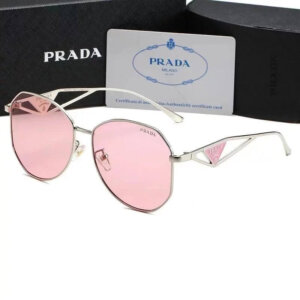
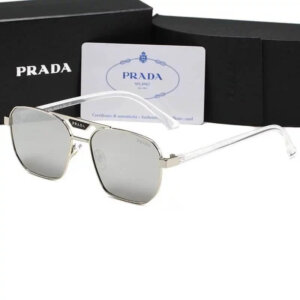


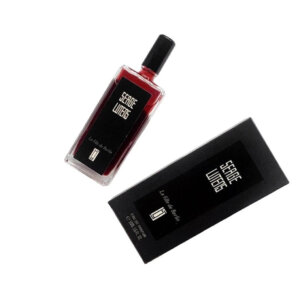

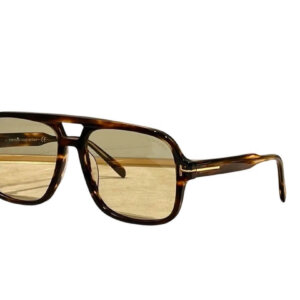

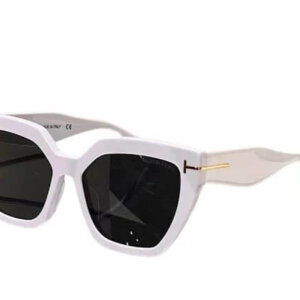

Joyagoo Spreadsheet Women: 42 Quality-Assessed Options
The Women category on Joyagoo Spreadsheet brings together 42 carefully indexed products from across the third-party sourcing landscape. Each item in this collection has been evaluated for material quality, construction standards, and overall value proposition. Our research team reviews batch consistency, brand accuracy, and market pricing data so that you can browse with confidence, knowing that every listing has passed through a structured quality assessment pipeline before appearing in this archive.
As part of the broader Best Joyagoo spreadsheet, this category serves as a filtered gateway. We do not sell or stock products. Instead, we aggregate, organize, and present sourcing options that have met our baseline quality thresholds, then direct you to verified third-party platforms where actual transactions occur. This separation between curation and commerce is what makes the spreadsheet model effective — we have no incentive to push any specific product, only to surface the best available options.
What We Evaluate in Women Finds
Every product in the Women category undergoes a structured quality evaluation before it earns a place in our archive. Our assessment covers several key dimensions that directly impact your experience with the product.
Material composition is the first checkpoint. We look at fabric density, fiber content, and texture consistency to determine whether a product meets the expected standard for its category. For apparel items, this means verifying cotton percentages, checking weave tightness, and assessing whether the weight feels appropriate for the intended use.
Construction quality is equally important. Stitch density, seam alignment, and hardware functionality all factor into our evaluation. We examine whether stitching patterns match the reference standards for each brand style, whether zippers and buttons operate smoothly, and whether reinforced stress points are present where the design calls for them.
Design accuracy receives particular attention. Logo placement, font precision, color matching, and proportional correctness are checked against reference materials. For branded pieces, even minor deviations in spacing or shade can signal quality control issues that might affect long-term satisfaction with the product.
Community feedback adds a real-world dimension to our assessment. Sizing reports from previous buyers, durability observations after extended wear, and comparative notes between similar products all contribute to the composite quality picture we present on each product page.
Brand Landscape & Selection Overview
The Women category features products inspired by or sourced from a diverse range of brands and design houses. The archive includes options that reflect the aesthetic directions of major luxury labels, streetwear pioneers, and contemporary fashion brands. Rather than focusing exclusively on any single brand, the collection presents a cross-section of what the current market offers, allowing you to compare styling approaches, quality levels, and price points side by side.
Luxury-inspired pieces in this category typically draw from houses known for distinctive logos, premium materials, and recognizable silhouettes. These items tend to command higher prices but also attract more scrutiny in terms of construction accuracy and brand detail precision. Mid-range and streetwear options offer accessible alternatives that balance brand-influenced aesthetics with practical wearability, often featuring more relaxed construction tolerances and different material specifications.
The archive also includes unbranded and generic options that prioritize function and value over brand association. These products are evaluated on their own merits — material quality, construction, and design — without the added dimension of brand accuracy assessment. For shoppers focused on utility rather than label recognition, these entries often represent the best value propositions in the category.
Price Range Analysis & Value Tiers
Price ranges in the Women category reflect the wide spectrum of brands, materials, and construction methods represented in the archive. Understanding these price tiers helps set realistic expectations and prevents both overpaying for marginal quality and underestimating the cost of properly executed products.
Entry-level options typically range from budget-friendly price points that prioritize accessibility over premium materials. These products often use standard fabric blends, simplified construction methods, and minimal branding elements. They serve well for casual, occasional use where long-term durability is not the primary concern.
Mid-tier products occupy the widest price band in the category, balancing material quality with reasonable pricing. This segment generally features better fabric weights, more careful construction, and brand-inspired design elements that approach reference accuracy. For most shoppers, the mid-tier offers the best ratio of quality to cost.
Premium-tier entries represent the upper price range, with products that aim for closer material matches, more refined construction details, and higher brand accuracy scores. While these options cost more, our quality assessment data shows measurable differences in fabric density, stitching precision, and hardware quality that justify the premium for buyers seeking the closest possible experience to the original design intent.
Our batch analysis tracks price fluctuations over time, helping you identify when market conditions create temporary value opportunities or when inflationary pressure is pushing prices above historical norms.
Buying Advice for Women Shoppers
Navigating the Women category effectively requires a strategic approach that balances quality expectations with budget realities. Based on our analysis of the 42 products in this archive, several practical recommendations can help you make better purchasing decisions.
Always review the quality breakdown data on individual product pages before committing to a purchase. The detail precision, craftsmanship, and sizing match rate scores provide objective benchmarks that complement the subjective visual impression from photos. Products scoring consistently above 4.5 across all metrics tend to deliver satisfaction rates above 90 percent based on community feedback.
Size selection is the most common challenge for shoppers using third-party sourcing. Always cross-reference the provided size charts with measurements of similar items you already own and that fit well. Pay attention to community-reported sizing data, which reveals whether products run true to size, slightly large, or consistently small. When in doubt between two sizes, consider the fit style — slim-fit items generally have less tolerance for sizing error than relaxed-fit alternatives.
Timing your purchase can yield meaningful savings. Our market analysis shows periodic price dips that often correlate with inventory refreshes or seasonal demand shifts. If a product is not urgently needed, monitoring its price trend over a few weeks can reveal the optimal purchase window.
For first-time buyers in this category, starting with a mid-tier product is generally the safest strategy. The quality improvement over entry-level options is substantial enough to justify the additional cost, while the financial commitment remains manageable if the product does not meet expectations.
Care & Maintenance Guide
Proper care extends the life of any product, and the Women category is no exception. Understanding how to maintain these items ensures that your investment continues to deliver value well beyond the initial purchase. For apparel items in this collection, we recommend following care label instructions closely, as different fabric compositions require specific washing temperatures, drying methods, and ironing approaches. Products with printed or embroidered graphics benefit from inside-out washing and air drying to preserve design integrity over repeated wear cycles.
For accessories and non-apparel items in the Women category, maintenance typically involves periodic cleaning with appropriate materials and proper storage when not in use. Hardware components such as zippers, clasps, and buckles should be checked periodically for smooth operation, and leather or synthetic elements may benefit from occasional conditioning treatments to prevent cracking or discoloration. Environmental factors like humidity, direct sunlight, and temperature fluctuations can affect product longevity, so storage conditions deserve attention proportional to the product’s value and intended lifespan.
Our product pages include material-specific care recommendations where applicable, drawing from both manufacturer guidelines and community-reported experiences. Following these suggestions helps preserve the quality characteristics that earned each product its place in the archive, protecting both the functional and aesthetic properties that influenced your purchasing decision.
Frequently Asked Questions
How often is the Women archive updated with new products?
The Women collection is refreshed as new products pass our quality evaluation. Our team continuously monitors third-party platforms for additions that meet our inclusion criteria, with the archive typically seeing updates several times per week depending on market activity.
Can I trust the quality scores shown on product pages?
Quality scores are generated through a structured assessment process examining material, construction, and design accuracy. While individual experiences may vary, the scoring system has been calibrated against community feedback to provide a reliable comparative benchmark across products in the same category.
What should I do if a product I want is out of stock?
Product availability on third-party platforms changes frequently. If a specific item is temporarily unavailable, we recommend checking back periodically, as restocks are common. Alternatively, browsing similar items within the Women category often reveals comparable options at similar price points.
Does the archive include products from specific brands only?
The Women category includes products across a wide brand spectrum, from designer-inspired pieces to unbranded value options. We do not limit the archive to any single brand — instead, we evaluate each product on its own merits and present those that meet our quality thresholds regardless of brand association.
The Women archive is one component of the broader Best Joyagoo spreadsheet ecosystem. For related products, explore our Joyagoo spreadsheet Jeans and Joyagoo T-Shirts finds collections, which complement the Women category with additional options that may suit your needs. Each category in the archive applies the same rigorous evaluation framework, ensuring consistent quality assessment standards across the entire platform.
Our commitment is to maintaining an independently curated, transparently evaluated, and regularly updated resource that helps you navigate the complex landscape of third-party product sourcing with confidence and efficiency.
Joyagoo Spreadsheet Women — 42 Style Picks with Fit, Fabric & Construction QC
Women’s fashion on third-party platforms is a minefield of inconsistent sizing, questionable fabric claims, and construction that looks acceptable in photos but falls apart after one wash. The Joyagoo spreadsheet Women section is our response to this problem — 42 products, each one individually assessed for the quality markers that matter specifically in women’s apparel: drape, stretch recovery, seam finishing, lining quality, and sizing accuracy. Whether it is a form-fitting dress, a relaxed knit top, or a structured skirt, the evaluation criteria shift to match the garment type, because a knit dress and a woven skirt fail in completely different ways.
This archive replaces the process of browsing women’s fashion in a Google Sheet — where fabric details, sizing charts, and color options are scattered across columns and take forever to load. By presenting 42 curated products in a fast-loading web catalog with quality scores and fit data, we make it possible to evaluate an entire seasonal wardrobe in minutes rather than hours. Purchasing happens on the agent platform; we handle the discovery and assessment.
If you are new to the platform, the Best Joyagoo spreadsheet homepage shows every product category at a glance.
Women’s Apparel: A Different Evaluation Framework
Women’s clothing construction differs from men’s in several technical ways that require a different assessment approach. Our evaluation accounts for these differences:
Drape and fabric behavior. Many women’s garments are designed to drape rather than hold structure — think flowy dresses, relaxed tops, and wide-leg pants. Drape quality depends on fabric weight, fiber content, and weave type. We assess drape by examining how the fabric falls in QC photos: quality drape creates smooth, flowing lines without clinging or bunching. Fabrics that are too stiff for their design (a flowy dress in a fabric that stands out stiffly) or too flimsy for their purpose (a structured blazer in fabric that collapses) are flagged as construction mismatches. The right fabric for the right design is the first quality checkpoint.
Stretch and recovery in fitted garments. Women’s fitted garments — bodycon dresses, fitted tops, leggings — often rely on stretch fabric for fit and comfort. We test stretch recovery by examining whether the fabric returns to its original shape after being stretched. Low-quality stretch fabric (often using cheap spandex alternatives) loses recovery after 5-10 wears, causing garments to sag at the knees (in leggings) or gape at the neckline (in fitted tops). Quality stretch fabric (using elastane or Lycra) maintains recovery through 50+ wear cycles. The difference is immediately visible in how the garment looks after a few hours of wear — quality stretch stays fitted; cheap stretch bags out.
Lining presence and quality. Lining is more critical in women’s apparel than in men’s because women’s garments are often lighter and more fitted. A lined dress drapes better, hides construction details (seam allowances, dart shaping), and prevents sheer fabrics from being see-through. We check for lining presence in all garments where it is appropriate (dresses, skirts, structured tops) and assess lining quality — the lining should be smooth, flat against the body, and properly attached at the neckline, armholes, and hem. Unlined garments are not automatically rejected, but the absence of lining is noted so buyers can set appropriate expectations.
Seam finishing and edge treatment. Women’s apparel uses a wider variety of seam types than men’s, and the seam choice affects both appearance and durability. French seams (where raw edges are enclosed within the seam) are the premium option for sheer and lightweight fabrics — they create a clean interior with no exposed edges that could fray. Overlock seams are standard for knit fabrics and are acceptable when neatly executed. We check that seam finishes are appropriate for the fabric type: overlock on knits, French or flat-felled on lightweight wovens, and that all seams lie flat without puckering or twisting.
Closure functionality and placement. Women’s garments often use invisible zippers, side zippers, button plackets, and hook-and-eye closures. We test every closure for functionality: zippers should move smoothly through their full length without catching; buttons should pass through buttonholes without excessive force; hook-and-eye closures should engage securely. For invisible zippers (common in dresses), we check that the zipper is truly invisible when closed — if the zipper tape is visible, the installation was poorly executed. Closure placement is also assessed: a side zipper should sit flat against the body, and a back zipper should be centered and straight.
Sizing consistency and proportion. Women’s sizing on third-party platforms is notoriously inconsistent — a size M from one manufacturer fits like a size S from another. We address this by listing actual garment measurements (bust, waist, hip, length) on every product page, rather than relying on size labels. We also check that proportions are consistent within each garment — if a dress has a 90cm bust and a 70cm waist, the hip measurement should reflect a corresponding proportion. Garments with disproportionate measurements (e.g., a generous bust with a tiny waist) are flagged so buyers can assess whether the fit will work for their body type.
42 Products: The Collection Breakdown
The Women’s archive covers several garment categories, each with its own fit and quality considerations:
Dresses are the largest category, ranging from casual summer dresses to more structured pieces. The quality assessment for dresses is the most comprehensive of any garment type because a dress has more components — bodice, waistline, skirt, closures, possibly lining — than any other single garment. We pay particular attention to bust fit (the most common fitting problem in dresses) and waistline construction (whether the waist seam sits at the natural waist or is positioned higher or lower by design). Dresses in the archive range from $10 to $25, with lined and structured options at the upper end.
Tops and blouses include knit tops, woven blouses, crop tops, and oversized tees. The quality differentiator between a $8 top and a $16 top is primarily fabric quality — the more expensive option typically uses better yarn (long-staple cotton or modal blends), more careful construction (French seams instead of overlock), and better finishing (neat hem, properly set collar). We assess each top for fabric weight appropriate to the style and for seam quality appropriate to the fabric type. Tops range from $6 to $18.
Bottoms and skirts include skirts, wide-leg pants, and casual trousers. For skirts, we check waistband construction (elastic, fitted, or zip-back), lining presence, and hem quality. For wide-leg pants, we assess drape quality and fabric weight — the fabric needs enough body to create the intended silhouette without being stiff. Bottoms typically run $8-$20.
Knitwear and layering covers cardigans, knit tops, and light sweaters designed for women’s fits. These are assessed for knit consistency, yarn quality (pilling resistance), and ribbed edge recovery (cuffs and hems). Knitwear in the archive runs $12-$22.
Sizing: The Biggest Challenge
Women’s sizing on third-party platforms requires more attention than any other category. Here is our guidance:
Ignore the size label and use the actual measurements. A size M from one seller might have an 88cm bust, while a size M from another seller has a 96cm bust — a difference of 8cm that completely changes whether the garment fits. Every product page in our archive lists the actual bust, waist, and hip measurements. Use these, not the S/M/L label.
Measure yourself accurately. Wear a thin layer (or nothing) and measure the fullest part of your bust, the narrowest part of your waist, and the fullest part of your hips. Compare these to the garment measurements, not to your body measurements directly — the garment needs 2-5cm of ease (extra room) over your body measurements for a comfortable fit. For fitted garments, 2-3cm ease is sufficient; for relaxed garments, 5-8cm ease is appropriate.
Check the length measurement. Garment length is measured from the highest point of the shoulder (or from the center back neck, depending on the style) to the hem. Compare this to a garment you already own that is the length you like. A dress that is 5cm shorter than expected can be the difference between appropriate and unwearable.
For stretch garments, the listed measurements are the resting measurements — the garment will stretch to accommodate 3-8cm more than the listed measurement, depending on the stretch percentage. A fitted dress with a bust measurement of 84cm and 3% stretch will comfortably fit a bust of 87-89cm. If your bust is 92cm, the dress will be too tight even though the size chart suggests it fits.
Shipping Women’s Apparel
Women’s clothing is generally lighter and more compressible than men’s apparel, making it efficient to ship. Here are specific considerations:
Dresses should be shipped on hangers or rolled, not folded flat. Folding creates hard crease lines that are difficult to remove from lightweight fabrics. Rolling preserves the fabric’s natural drape and prevents permanent creasing. If the agent must fold the dress (due to packaging constraints), ask for tissue paper to be placed in the fold lines to soften the crease.
Lined garments are bulkier than unlined garments due to the additional layer of fabric. A lined winter dress can weigh twice as much as an unlined summer dress of the same style. Factor this into shipping cost calculations when ordering — two lined dresses may push a package into a higher weight tier than three unlined dresses.
Knit garments (cardigans, knit tops, sweaters) can be vacuum-sealed for shipping without damage, reducing package volume by 40-50%. This is especially useful for chunky knit items that would otherwise be very bulky. Woven garments should not be vacuum-sealed, as the compression can create permanent creases in structured fabrics.
FAQ
Q: The dress I want says “one size” — what does that actually mean?
A: “One size” on third-party platforms typically means the garment is designed to fit sizes XS to M (roughly bust 80-92cm, waist 64-76cm). It is not truly one-size-fits-all — it is one-size-fits-a-range. Check the actual measurements on the product page to see if your measurements fall within the garment’s range. If you are at the upper end of the range, the garment will fit closely; at the lower end, it will fit loosely.
Q: Will the colors match the photos?
A: We verify color accuracy in QC photos under consistent lighting. However, screen calibration varies, and the lighting conditions when you view the product may differ from the QC photo conditions. For the most accurate color assessment, view the QC photos on a calibrated screen and compare to a white reference. We flag products where the QC photo color differs significantly from the product listing photo.
Q: Can I return a dress that does not fit?
A: Returns are handled through the agent platform. Due to international shipping costs, returning a $15 dress often costs more than the dress itself. We strongly recommend reviewing the actual garment measurements carefully before ordering and using QC photos to verify construction quality before the item ships. The most practical approach is to sell or gift items that do not fit rather than attempting international returns.
For pre-matched outfit options, explore our Joyagoo spreadsheet Sets collection — 22 coordinated two-piece outfits that eliminate the guesswork of matching tops and bottoms.