Joyagoo Spreadsheet Hoodies: How I Source Sweatshirts Without the Wait
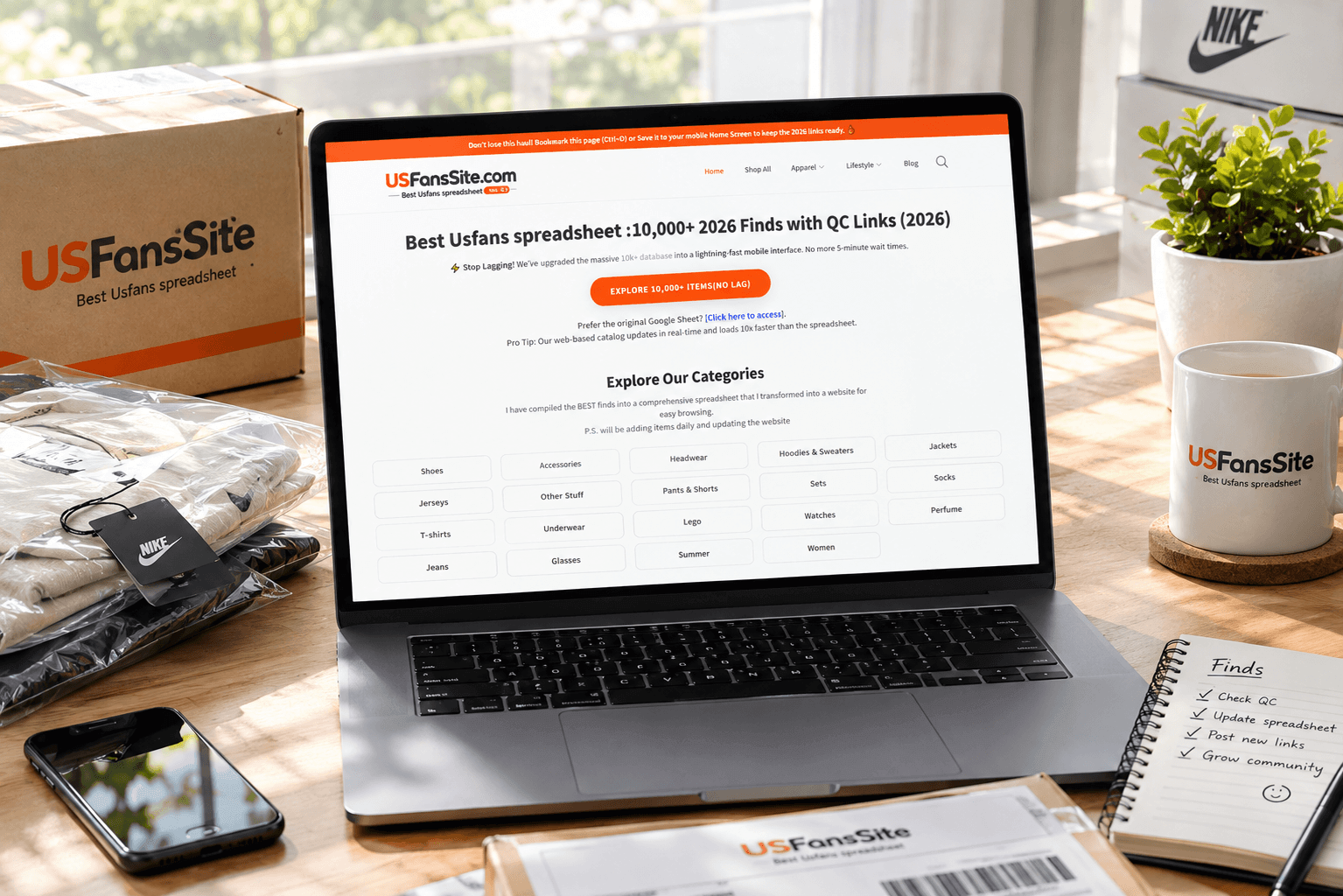
There’s a specific frustration that comes with sourcing hoodies through Google Sheets: you find a listing that looks perfect, you click to see more, and the sheet freezes. By the time it responds, you’ve lost your place in 3,000 rows. I dealt with this for months before switching to the Best Joyagoo spreadsheet platform, which turns all that spreadsheet data into web pages that load in under two seconds.
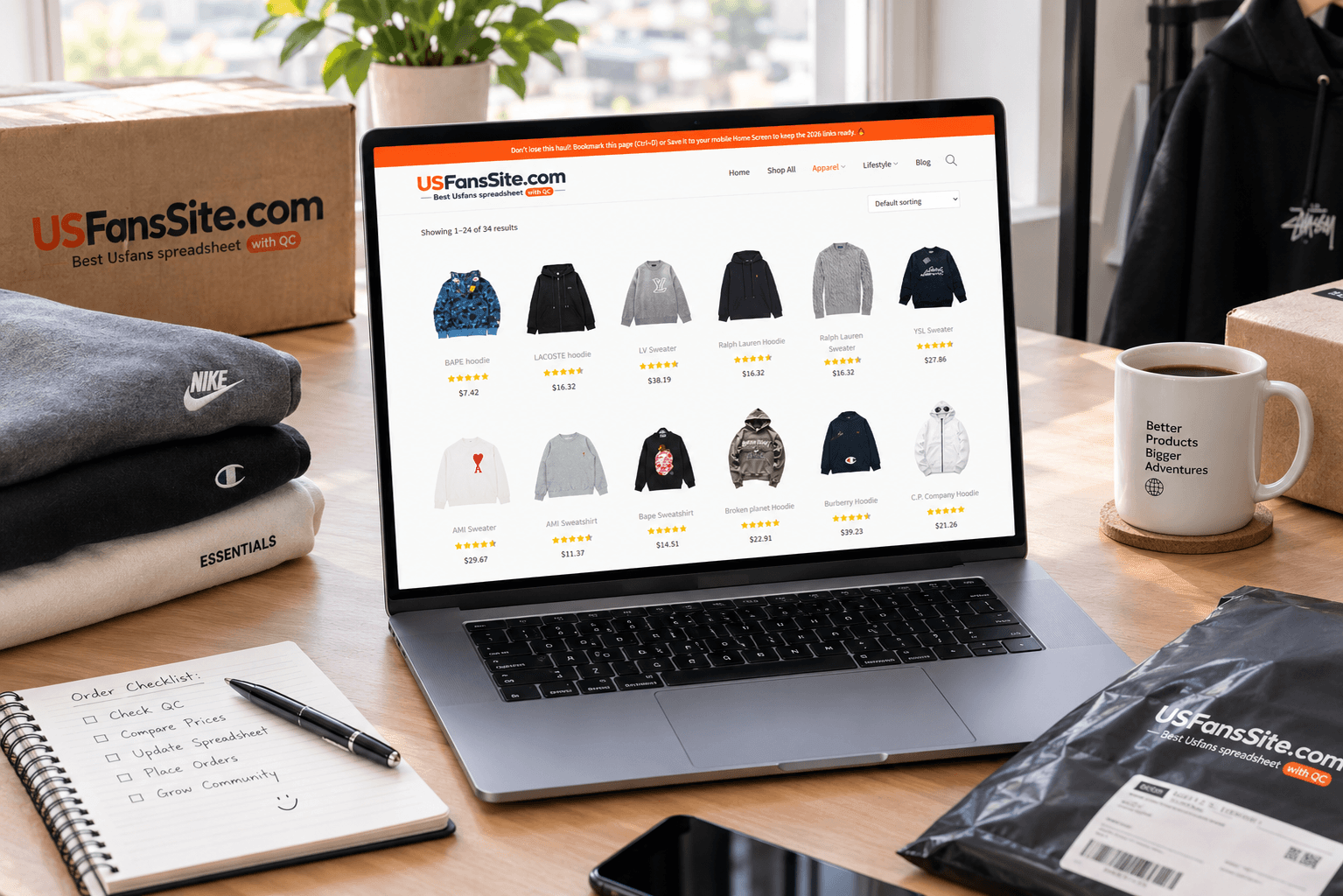
The Joyagoo spreadsheet Hoodies category has become my primary source for sweatshirts, pullovers, and zip hoodies. Each listing displays the product image, price, fabric composition, and a direct purchase link to the agent platform. The browsing experience feels like any modern online store — because that’s exactly what it is.
Fabric Weight: The Number That Determines Everything
If you’re sourcing hoodies and you’re not checking fabric weight, you’re flying blind. Fabric weight — measured in grams per square meter (GSM) — is the single most important spec for predicting how a hoodie will feel, drape, and hold up over time.
Here’s my personal reference scale:
- 240–300 GSM: Lightweight, suitable for spring and early autumn. Feels like a premium t-shirt material. Good for layering.
- 300–380 GSM: Midweight, the sweet spot for year-round wear. Has enough structure to hold its shape without feeling stiff.
- 380–450+ GSM: Heavyweight, winter-grade. Dense, warm, and substantial. These are the hoodies that last for years.
The listings on the platform often include GSM in the product description. When they don’t, I message the seller — it takes two minutes to ask, and it saves you from receiving a paper-thin hoodie when you expected a winter-weight pullover.
The QC Checklist I Built After Too Many Disappointments
Hoodie QC is more involved than most people think. A hoodie has multiple components — shell fabric, fleece lining, drawstrings, hardware, kangaroo pocket, ribbed cuffs — and each one can fail independently. Here’s what I check:
Fleece density and uniformity. I ask for a QC photo of the inside of the hoodie. The fleece should be dense and evenly distributed. Thin patches or bald spots mean the knitting was inconsistent, and those areas will pill and wear through first.
Drawstring quality and length. Drawstrings should be the same length on both sides. I check the aglets (the plastic or metal tips) — they should be firmly attached. Loose aglets will slide off after a few washes, and the drawstring will fray. Flat drawstrings tend to hold their shape better than round ones.
Kangaroo pocket stitching. The pocket should be securely attached with reinforced stitching at the corners — that’s where the stress concentrates. I look for bartack stitching (a dense zigzag pattern) at the pocket entry points.
Ribbed cuff and hem elasticity. The ribbing should snap back firmly when stretched. If the QC photo shows the cuffs looking loose or wavy, the elastic is weak and the cuffs will sag after a few wears. Quality ribbing should feel firm and return to shape instantly.
Hood structure and depth. I check the hood in the QC photo — does it hold its shape when laid flat, or does it collapse? A well-constructed hood has enough structure to stand slightly open. The hood depth should be sufficient to cover your head without pulling the entire hoodie forward when worn.
Zipper functionality (for zip hoodies). The zipper should operate smoothly from both directions. I look for YKK or equivalent quality zippers in the listing description. The zipper tape should be sewn flat against the hoodie body without bunching.
Shrinkage: The Silent Hoodie Killer
Every hoodie shrinks. The question is how much, and in which direction. Cotton-heavy hoodies can shrink 3–5% in length after the first wash — which is enough to turn a perfect fit into a crop top. Here’s my shrinkage mitigation strategy:
I always size up by one if the fabric composition is 80%+ cotton and the listing doesn’t mention pre-shrinking. Pre-shrunk fabric will still shrink, but only 1–2%. If the blend includes polyester (50/50 cotton-poly), shrinkage is minimal — typically under 2%.
I wash every new hoodie in cold water and hang it to dry for the first three washes. After that, the fabric has stabilized and I can switch to machine drying on low heat. This routine has extended the life of my hoodies significantly.
Shipping Hoodies: Heavier Than You Think
Hoodies are deceptively heavy. A midweight hoodie weighs 500–700 grams, and a heavyweight one can exceed 900 grams. With packaging, a single hoodie can push you into the next shipping weight tier.
For multiple hoodie orders, I always consolidate. Two hoodies shipped separately might cost $24 total. Shipped together in one package, the combined weight might still fall under 2kg, costing $14. That’s a meaningful saving.
I also request that the warehouse use vacuum compression for hoodie shipments. This reduces the package volume by about 40%, which matters when shipping costs are calculated on volumetric weight. The hoodies spring back to full loft within an hour of unpacking.
FAQ
Q: How do I search for items on the platform?
A: Use the search bar at the top of the hoodies category page. I typically search by style keyword — “pullover,” “zip,” “oversized” — or by specific brand reference. The web search is instant, unlike Ctrl+F in a Google Sheet which lags when the sheet has thousands of rows.
Q: What is the safest first order size?
A: One midweight hoodie in a 50/50 cotton-poly blend. This fabric is the most forgiving for sizing because it barely shrinks, and midweight (around 320 GSM) is wearable in most seasons. Once you’ve confirmed your sizing with that first order, you can confidently order heavyweights and 100% cotton options.
Q: Are Joyagoo sheets updated in 2026?
A: Yes, the platform updates continuously. I see new hoodie listings every day, with a significant surge in September and October as winter stock arrives. The “sort by newest” feature on the web interface makes it easy to catch fresh drops.
Q: What about Joyagoo shipping?
A: Shipping costs for hoodies depend on weight. Economy shipping for a single hoodie to most destinations runs $6–10. Express is $15–25. For EU destinations, I always choose DDP — the duties on clothing items can be significant, and pre-paying them avoids customs delays that can add weeks to delivery time.
Q: Can I refund after QC photos?
A: Yes. If you review the QC photos and find issues — thin fabric, poor stitching, misaligned prints — you can reject the QC and request a replacement or refund. The key is to identify the problem during QC review, not after shipping. Once a package is shipped, refund options become limited and depend on the specific issue.
Q: What if the seller refuses?
A: If a seller refuses to provide QC photos or won’t address a legitimate quality issue identified in QC, contact the agent’s customer service. The agent acts as an intermediary and can often resolve disputes that individual buyers can’t. Document all communications with timestamps and screenshots — this strengthens your case if the dispute escalates.