Why Joyagoo Spreadsheet Headwear Became My Year-Round Go-To
Headwear is one of those categories I underestimated for a long time. I thought a cap was a cap — until I received one that fit like a salad bowl and another that shrank to child-size after one wash. My sourcing process changed completely when I moved from Google Sheets to the Best Joyagoo spreadsheet platform. The web interface loads instantly, and I can compare listings side by side instead of scrolling through endless rows in a sheet that takes half a minute to render.
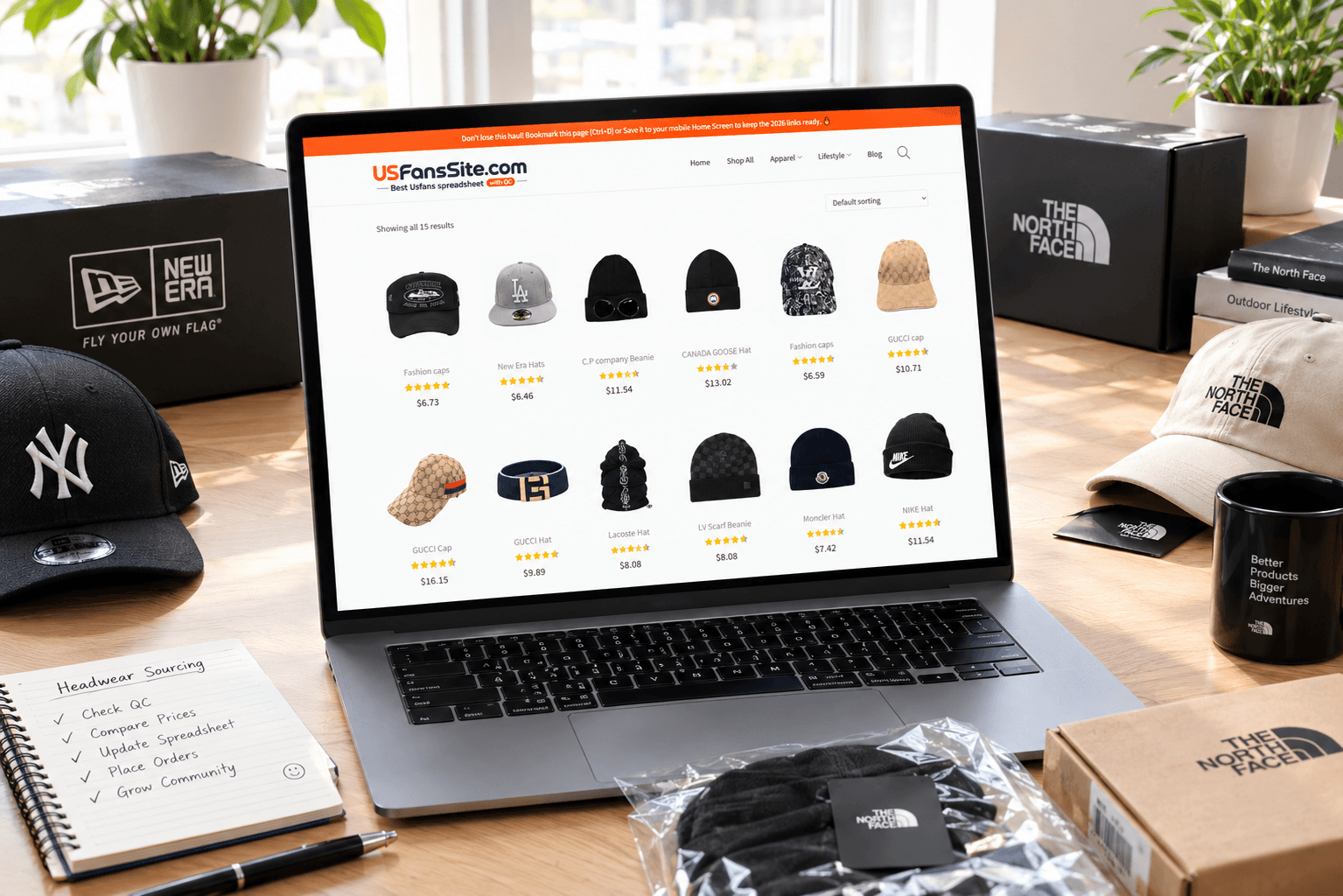
The Joyagoo spreadsheet Headwear category covers caps, beanies, bucket hats, visors — the full spectrum. Each listing shows the product from multiple angles, and the purchase link goes directly to the agent platform. No middlemen, no waiting for a spreadsheet to load before you can see the price.
The Sizing Problem Nobody Talks About
Here’s the thing about hats: sizing is wildly inconsistent across manufacturers. A “one size fits all” snapback from one seller might be perfect, while the same label from another seller sits two centimeters too high on my head. The problem isn’t the platform — it’s that hat sizing standards are genuinely loose.
I’ve developed a simple workaround: I measure the inner circumference of a hat that fits me well (58cm, for reference), and I message the seller before ordering to confirm the inner circumference of their product. Most sellers can provide this within minutes. If they can’t, I move on — there are plenty of sellers who can.
For adjustable caps (snapbacks, strapbacks), the sizing range matters more than the exact measurement. I look for listings that mention the adjustable range, typically 55–60cm. If the listing doesn’t specify, I ask.
QC Photos for Headwear: My Checklist
Hats seem simple, but there are specific defects I look for in every QC photo:
Crown shape and symmetry. The crown (the top part of the hat) should be symmetrical. I look at the QC photo from the front — if one side sits higher than the other, the stitching or blocking is off. For structured caps, the front panel should hold its shape without collapsing.
Brim or visor flatness. For caps, I check the visor from the side in the QC photo. It should be flat (for flat-brim styles) or have a consistent curve (for curved-brim styles). A warped visor with an uneven curve is a manufacturing defect that you can’t fully correct.
Embroidery alignment and density. If the hat has a logo or design, I zoom into the embroidery. Stitching should be dense, with no gaps showing the base fabric underneath. The design should be centered — even a few millimeters off-center is noticeable when worn.
Sweatband attachment. Inside the hat, the sweatband should be fully stitched or glued around the entire circumference. I’ve received caps where the sweatband was only attached at two points and started peeling after a week.
Material consistency for beanies. For knit headwear, I check for consistent knit tension. Loose or tight patches in the knit create visible waves in the fabric. Pillows and pulls in the yarn are immediate quality red flags.
Seasonal Strategy: When to Buy What
Headwear is seasonal, and timing your orders matters. Beanies and wool blend caps are heavily stocked from September through February. If you’re looking for summer bucket hats and visors, the best selection appears from March through July. I’ve found that off-season purchases often have better pricing because sellers are clearing inventory, but the selection is thinner.
The web interface makes seasonal browsing effortless — I can sort by newest and immediately see what’s arriving for the current season. With Google Sheets, seasonal inventory was buried among thousands of rows with no visual filter.
Shipping Headwear: Small, Light, and Easy
Hats are one of the cheapest items to ship. A typical cap weighs 100–150 grams, and a beanie weighs even less. This means you can ship multiple hats for the price of shipping one pair of shoes.
The one shipping consideration for headwear: crushing. Structured caps and hard-crown hats can deform during transit if packed flat. I always request that the warehouse ship structured caps in their original box or with internal support to maintain the crown shape. Beanies and bucket hats are flexible and can be packed flat without issue.
For bulk headwear orders, consolidation is extremely cost-effective. I’ve shipped six caps in a single package for less than $15 in shipping. The combined weight was still under 1kg, which kept me in the lowest shipping tier.
FAQ
Q: Is it free?
A: Browsing and searching the platform costs nothing. You only pay when you place an order through the agent.
Q: How do I find the best Joyagoo finds?
A: For headwear, sort by newest during seasonal transitions — that’s when fresh stock arrives. I also filter by seller rating. Sellers with 4.7+ stars and 200+ transactions consistently deliver better quality hats in my experience.
Q: What is the safest first order size?
A: One beanie or one adjustable cap. Adjustable caps are the safest bet because the sizing is forgiving — you don’t need to worry about exact circumference measurements for your first order. Once you’re comfortable with the flow, you can branch into fitted caps and more structured headwear.
Q: How long does a first order take end-to-end?
A: From placing the order to receiving the package, my first headwear order took about 18 days with economy shipping. The breakdown: 3 days for the seller to ship to the warehouse, 1 day for QC photos and my approval, and 14 days for international shipping and customs clearance. Express shipping would have cut the transit time to about 7 days.
Q: What about post-ship damage?
A: If a structured cap arrives crushed or deformed, photograph it immediately — don’t try to reshape it first. File a damage report within 48 hours. Most agents will offer compensation for shipping damage, but you need unaltered photos as evidence. For beanies that arrive stretched, gently hand-wash in cool water and reshape while damp, then air dry on a round object to restore the original form.