Showing all 2 results
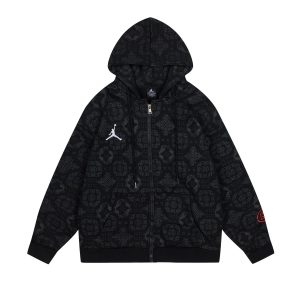
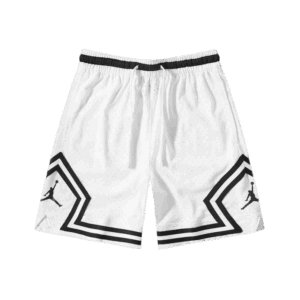
Joyagoo Spreadsheet Air Jordan — From AJ1 to AJ39, Graded
There’s a reason Air Jordan dominates the Joyagoo spreadsheet year after year. The line has 39 mainline numbered models plus countless variants — each with its own construction quirks, leather grades, and batch reputation. Whether you’re chasing a Bred 1 or a recently dropped retro, the Best Joyagoo spreadsheet is where you separate the heat from the heedless.
Jordan sourcing is unforgiving. Get the leather wrong and the toebox shape collapses. Miss the midsole curve and the whole profile looks “off” from ten paces. The spreadsheet approach matters here more than almost any other brand because the difference between a great batch and a mediocre one isn’t always visible in product photos — it shows up in the QC close-ups.
Batch Tiers Explained: What the Labels Actually Mean
You’ll see terms like “LJR,” “PK,” and “GQ” thrown around in Joyagoo listings. Here’s the honest breakdown:
- LJR batch: Generally the gold standard for AJ1 through AJ4. Known for accurate toebox shape and correct leather grain. If the listing says LJR, expect tighter QC — but still verify.
- PK batch: Strong on AJ11 (patent leather curve and carbon fiber plate). Weaker on older numbered models where the leather sourcing doesn’t match LJR’s standards.
- “OG” or “M batch”: Marketing terms that vary wildly by seller. Treat these as unverified unless you can cross-reference with recent buyer QC photos.
- Budget tier (¥150-200): Fine for beaters or beater pairs. Don’t expect accurate leather — these use synthetic or low-grade hides that crease differently.
The AJ1 Toebox Test — Your Single Most Important QC Check
If there’s one thing to drill into your head: the AJ1 toebox. On a correct batch, the toebox has a gentle, even rise that slopes toward the lace guard. The leather should have visible grain texture — not smooth, not plasticky. When pressed lightly in a QC photo, it should show natural creasing lines, not stay perfectly flat.
For AJ4 and beyond, shift your focus to the midsole paint. Ask the agent to photograph the midsole from a low angle. The paint should be uniform with clean edges where it meets the upper. Bubbling or uneven paint lines indicate a lower-tier factory run. The Joyagoo spreadsheet Air Jordan listings we curate prioritize factories that get these details right.
Shipping Jordans: Box or No Box?
| Option | Weight Saved | Cost Impact | Best For |
|---|---|---|---|
| Keep box | None | +¥30-50 shipping | Resellers, collectors |
| Remove box, bubble wrap | ~300g | Save ¥20-40 | Personal wear |
| Double-box (original inside shipping) | +200g | +¥40 | High-value pairs (¥400+) |
Air Jordan Sourcing Q&A
What’s the safest Jordan model to source on Joyagoo?
The AJ1 Mid. It’s less hyped than the High, has simpler construction, and most factories have been making it long enough to nail the shape. AJ1 Highs are riskier because the toebox and collar shape are more scrutinized.
How much should I expect to pay for a good AJ1 batch?
A solid LJR-batch AJ1 High runs ¥220-¥350 on Joyagoo. Anything under ¥150 is almost certainly a budget tier. Over ¥400 and you’re paying for hype, not quality.
Can I trust the batch name in the listing title?
Partially. Batch names are useful as a starting filter, but some sellers slap “LJR” on everything. Always request QC photos and judge the actual product, not the label. The spreadsheet community comments are your best cross-reference.
“Know the batch, trust the QC, respect the legacy.”