Showing all 7 results


Joyagoo Spreadsheet Amiri — Rock & Roll Denim, Decoded
Amiri isn’t for the timid. Mike Amiri built his name distressing denim in a Hollywood garage, and the brand still carries that raw, sunset-strip energy — bones on leather, rips in just the right places, a attitude that says “I paid for this destruction.” On the Best Joyagoo spreadsheet, Amiri is one of the trickier brands to source well because the distressing has to look intentional, not like someone took scissors to cheap fabric.
The gap between a great Amiri batch and a bad one is enormous. A good one nails the hand-sanding patterns, the bone graphic placement, and the leather suppleness. A bad one looks like a craft project. That’s exactly why a curated spreadsheet approach beats blind searching — you need community QC feedback to know which factories actually understand the brand’s construction philosophy.
Denim Distressing: Where Batches Live or Die
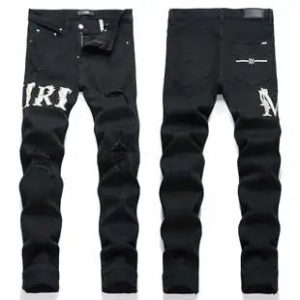
Amiri’s signature is the “Mexicano”系列 style distressing — whiskers at the hip, heavy ripping at the knee, and hand-sanding along the thighs. Here’s the problem: budget factories use chemical washes to fake distressing, which creates uniform fading that looks nothing like real wear patterns. Good batches use actual sandblasting and hand-grinding, which produces irregular, natural-looking fades.
In your QC photos, look for the edges of the rips. On premium batches, the rip edges are frayed with loose threads that look natural. On budget batches, the edges are clean-cut (laser cut) with no fraying. The Joyagoo spreadsheet Amiri section prioritizes factories that use the hand-distress method, which is slower and more expensive but produces the right result.
Bone Graphic Placement Guide
The skeleton bones graphic is Amiri’s most counterfeited motif. On authentic-tier batches, the bones are screen-printed with a slightly raised texture and positioned asymmetrically — never centered. The ink should have a cracked, vintage finish, not a flat plastic look. Run your thumbnail across the print in QC photos; you should feel texture.
| Amiri Category | QC Priority | Price Range (¥) | Difficulty |
|---|---|---|---|
| Mexicano jeans | Rip pattern + fade consistency | 280-450 | Hard |
| Bone graphic hoodie | Print texture + placement | 200-350 | Medium |
| Leather jackets | Leather grade + hardware weight | 500-900 | Very Hard |
| Flare pants | Flare shape + fabric drape | 180-280 | Medium |
Leather Goods: Know What You’re Getting Into
Amiri leather jackets are the holy grail — and the riskiest category on the spreadsheet. Genuine leather batches at ¥500-900 are using corrected-grain cowhide, which is real leather but not the same supple lambskin that retail Amiri uses. That’s not necessarily bad; corrected grain is more durable. But if a listing claims “lambskin” under ¥600, be skeptical. Ask for a close-up of the leather grain — lambskin has a fine, tight pebble pattern; cowhide has a coarser, more visible grain.
Amiri Sourcing Q&A
Can I get good Amiri jeans for under ¥300?
Yes, but you’ll need to accept corrected-grain leather patches instead of lambskin, and the distressing may be slightly less refined. The ¥280-350 range is the sweet spot where you get proper hand-distressing without paying for the “top batch” premium.
How do I know the bone graphic will hold up after washing?
Ask the agent to do a tape-pull test on the print — press masking tape onto the graphic and pull it off. If ink transfers heavily, the print will crack and peel after a few washes. Premium batches use plastisol ink that survives washing.
Are Amiri leather jackets worth the risk on Joyagoo?
Only if you’re experienced with leather QC. The price is attractive compared to retail, but leather quality is the hardest thing to verify from photos alone. If it’s your first Amiri purchase, start with denim or hoodies.
“Luxury is in the destruction — but only when it’s done right.”