Showing all 3 results
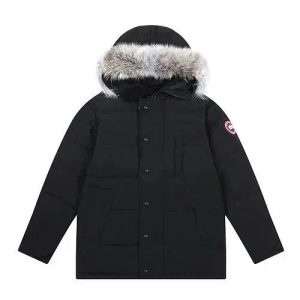

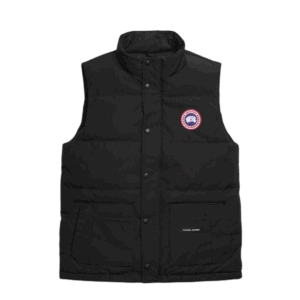
Joyagoo Spreadsheet Canada Goose — Arctic Warmth, Spreadsheet Graded
Canada Goose isn’t fashion — it’s survival equipment that happens to look good. When you’re sourcing a parka rated for -30°C, the stakes are different from sourcing a graphic tee. On the Joyagoo spreadsheet, Canada Goose is one of those brands where “close enough” isn’t good enough. Either the down fill power is right or it’s not. Either the fur trim density is correct or it falls flat. There’s no middle ground with extreme-cold gear.
That said, a well-sourced Canada Goose batch on Joyagoo is one of the best winter investments you can make. Retail pricing on CG parkas has climbed past $1,000, and the spreadsheet alternative — when properly QC’d — delivers the same thermal performance for a fraction of that. The key is knowing exactly what to verify.
Down Fill Power: The Number That Matters Most
Canada Goose uses 625-fill white duck down in most parkas and 750-fill in premium models. Fill power measures how much volume one ounce of down occupies — higher numbers mean more insulation per gram. Here’s how to verify this in QC:
- Press test: Press your palm flat against a quilted section. Premium down (625+) compresses to almost nothing and springs back in 1-2 seconds. Low-fill down feels dense and doesn’t compress as much.
- Baffle fullness: Each quilted section should look puffy and full, not flat. If you can see the stitching lines clearly with no loft, the fill is thin.
- Down leakage: Check the interior lining photo. No feathers should be poking through. If you see down fibers escaping through the fabric, it’s a sign of low-grade down with sharp feather quills mixed in.
- Distribution: The down should be evenly distributed across all baffles. Clumping in some areas and thin spots in others indicates poor filling technique.
Fur Trim: The Most Debated Detail
Canada Goose uses coyote fur on the hood trim — it’s functional, breaking wind and preventing frost buildup on the face. On Joyagoo, you’ll see both real fur and synthetic options. Here’s the honest take: high-quality synthetic fur has gotten very good in recent years, and many buyers actually prefer it for ethical reasons. The Joyagoo spreadsheet Canada Goose listings clearly mark which batches use real vs. synthetic trim.
If you want real fur, check the density and length. Coyote fur is 2-3 inches long with natural color variation (cream to grey to brown). Synthetic fur is often too uniform in color and has a slight plastic sheen under direct light.
Canada Goose Model Guide
| Model | Temp Rating | Key Feature | Price (¥) |
|---|---|---|---|
| Expedition Parka | -30°C and below | Maximum down fill + fur trim | 450-700 |
| Chilliwack Bomber | -20°C | Shorter cut, elastic waist | 350-500 |
| Hybridge Lite | -5°C to 5°C | Packable, lightweight | 200-320 |
| Solaris Parka | -15°C | Urban fit, slim cut | 300-450 |
Canada Goose Sourcing Q&A
How warm are the Canada Goose batches on Joyagoo compared to retail?
Premium batches with 625-fill down deliver genuine arctic-level warmth. The difference from retail is often in the shell fabric’s wind resistance — retail uses Arctic Tech fabric with a specific DWR coating. Good batches replicate this, but verify by asking the agent to drip water on the fabric in a QC video — it should bead up and roll off.
Is the fur trim real or synthetic?
It depends on the batch. Some use real coyote fur, others use high-quality synthetic. Both are functional. The listing description should specify — if it doesn’t, ask the seller directly before purchasing.
What’s the best Canada Goose model for city winters?
The Solaris or Langford Parka. They’re rated for -15°C, which covers most urban winter conditions without the bulk of the Expedition. You get the Canada Goose look and warmth without looking like you’re heading to an Arctic expedition.
“When the wind hits -30, the spreadsheet either delivered or it didn’t.”