Showing all 3 results

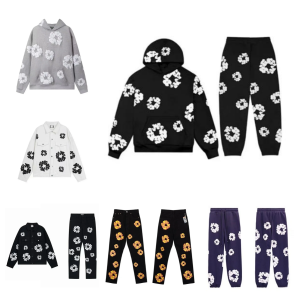
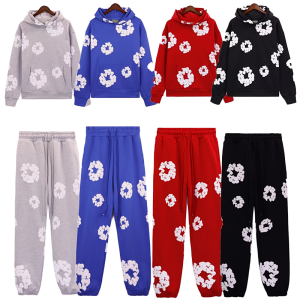
Joyagoo Spreadsheet Denim Tears — Cotton Wreaths and Cultural Weight
Denim Tears is not just clothing — it’s a conversation about history, stitched into cotton. Tremaine Emory built the brand around the Cotton Wreath motif, a symbol that carries the weight of the African diaspora and the legacy of American cotton production. On the Best Joyagoo spreadsheet, Denim Tears is a small but meaningful category. The pieces are simple in construction — jeans, jackets, hoodies — but the graphic applications require precision and respect for the original design intent.
The sourcing challenge with Denim Tears is that the Cotton Wreath print needs to look intentional and refined, not like a cheap heat transfer slapped on generic denim. The motif is the entire value proposition — if the print quality is off, the piece loses its meaning. That’s why spreadsheet community QC for this brand focuses heavily on print application method and clarity.
Cotton Wreath Print: The Only QC Point That Really Matters
The Cotton Wreath is an all-over print that covers the entire garment — jeans, jackets, or hoodies. It’s a repeating pattern of cotton boll wreaths in a warm, sepia-toned palette. Here’s how to evaluate it:
- Print method: Premium batches use reactive dye printing (the dye bonds with the fabric fibers). This produces a soft-hand feel where the print becomes part of the fabric. Budget batches use vinyl heat transfer, which sits on top and feels like plastic.
- Pattern continuity: The wreath pattern should flow continuously across seams — from the front panel to the back, and from the leg to the waistband. Misaligned patterns at seams indicate single-panel printing rather than whole-garment printing.
- Color accuracy: The sepia/caramel tone should be warm and slightly faded, not bright orange or dark brown. Compare against Tremaine Emory’s original product photos.
- Fabric integration: When you stretch the fabric, the print should stretch with it seamlessly. If the print cracks or separates from the fabric when stretched, it’s a surface transfer.
Denim Base Quality
Beyond the print, the denim itself matters. Denim Tears uses mid-weight selvedge-style denim (12-14oz) with a clean, tight weave. The Joyagoo spreadsheet Denim Tears listings we curate prioritize factories that source this weight of denim — anything lighter than 11oz will look and feel like fashion denim rather than the substantial workwear-grade fabric the brand intends.
Check the selvedge edge if available. On jeans, the outseam should show a woven selvedge line (typically red or orange). Not all batches include this detail, but its presence is a strong quality signal.
What to Source and What to Expect
| Denim Tears Item | Price (¥) | QC Priority | Availability |
|---|---|---|---|
| Cotton Wreath jeans | 180-280 | Print method + denim weight | Good |
| Cotton Wreath hoodie | 150-220 | Print integration + fleece weight | Good |
| Cotton Wreath jacket | 220-350 | Pattern matching at seams | Limited |
Denim Tears Q&A
How do I tell reactive dye print from heat transfer?
Touch the print area. Reactive dye feels like bare fabric — you can feel the denim texture through the print. Heat transfer feels smooth and slightly raised, like a sticker. Also, stretch the fabric: reactive dye stretches with it; heat transfer will crack.
Is Denim Tears worth sourcing given the cultural significance?
That’s a personal decision. The spreadsheet community approaches Denim Tears with respect for Tremaine Emory’s vision. What we can say is that well-sourced batches honor the original design intent — the Cotton Wreath is reproduced accurately and the garment quality matches the brand’s standards.
Will the Cotton Wreath print fade after washing?
Reactive dye prints are permanent — they’ll fade gradually with the denim, which is actually the intended aging process. Heat transfer prints will crack and peel after 5-10 washes. This is another reason to verify the print method during QC.
“The fabric carries the story — make sure the print tells it right.”