Showing the single result
Joyagoo Spreadsheet Kenzo — Tiger Heads and Floral Energy, Curated
Kenzo is what happens when Parisian fashion and Japanese energy collide — and the explosion is covered in tiger heads and eye prints. Founded by Kenzo Takada in 1970, the brand has always been about bold, unapologetic joy. On the Best Joyagoo spreadsheet, Kenzo is a brand where the graphics carry the weight. Get the tiger embroidery right and the rest follows; get it wrong and you’re wearing a generic sweatshirt with a blurry cat on it.
The brand’s current era under Nigo (yes, the BAPE founder) has brought a renewed energy — cleaner graphics, the return of the Boke flower motif, and a tighter streetwear fit. This means Joyagoo sourcing needs to account for two different Kenzo aesthetics: the older Carol Lim/Humberto Leon era (maximalist, clashing prints) and the Nigo era (cleaner, more graphic-led).
The Tiger Head: Embroidery or Print?
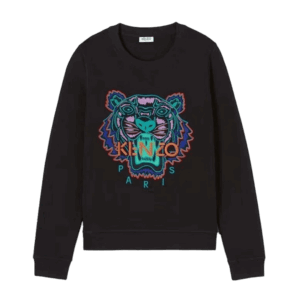
The Kenzo tiger head is the brand’s most iconic motif. On premium pieces, it’s a dense embroidery — raised off the fabric surface with visible satin stitch. On mid-tier pieces, it’s a high-quality screen print with a slight texture. On budget pieces, it’s a flat digital print that looks like a sticker. The quality gap between these three tiers is enormous and immediately visible.
In QC, run your finger across the tiger in a photo — you should see shadow variation that indicates raised embroidery. The Joyagoo spreadsheet Kenzo listings we curate specify the application method (embroidery vs. print) so you know exactly what you’re getting.
Floral Prints: The Boke Motif
The Boke (Japanese quince) flower is Kenzo’s secondary signature — a multi-color floral print that appears on shirts, scarves, and knitwear. The print quality matters enormously here because the Boke uses 6-8 colors in a gradient pattern. Budget batches reduce this to 3-4 colors, creating a flat, posterized effect that loses the organic gradient.
- Color count: Premium prints show visible gradient transitions between colors. Budget prints have hard edges between limited colors.
- Scale: The Boke print has a specific scale — not too large, not too small. If the flowers look oversized or tiny, the factory resized the pattern.
- Placement: On shirts, the print should be continuous across the placket and pocket (pattern-matched). Misaligned patterns at the placket indicate single-panel printing.
Kenzo Category Guide
| Kenzo Item | Key QC Point | Price (¥) | Rating |
|---|---|---|---|
| Tiger hoodie | Embroidery density + fleece weight | 100-170 | 8.5/10 |
| Boke print shirt | Color count + pattern match | 80-140 | 8/10 |
| Tiger knit sweater | Intarsia knit + wool blend | 120-200 | 8/10 |
| Logo cap | Embroidery + cap structure | 50-90 | 7.5/10 |
Kenzo Q&A
How do I tell if the tiger is embroidered or printed?
Look at the tiger from a low side angle in the QC photo. Embroidery creates visible shadows because it’s raised. Flat prints don’t cast shadows. Also, check the reverse side — embroidery shows thread backing; prints don’t.
Which Kenzo era does the spreadsheet focus on?
Most batches target the Nigo era (current) because the designs are cleaner and more popular. Some factories also produce Lim/Leon era pieces (more maximalist). The listing description should specify which era the batch targets.
Are Kenzo sizes on Joyagoo accurate to retail?
Kenzo fits true to European sizing, which is slightly slimmer than US sizing. A medium fits like a medium-to-small. For the oversized streetwear look that Nigo’s designs intend, consider sizing up one.
“The tiger has to roar — not whisper through a flat print.”