Why Joyagoo Spreadsheet Shoes Is My Go-To Source for Footwear in 2026
I’ve spent the last two years sourcing footwear through various platforms, and honestly, nothing frustrated me more than waiting for Google Sheets to load. You click a link, stare at a blank screen for 30 seconds, and by the time the data finally renders, the pair you wanted is already gone. That’s exactly why I switched to the Best Joyagoo spreadsheet platform — it takes all that spreadsheet data and turns it into a fast, browsable web interface.
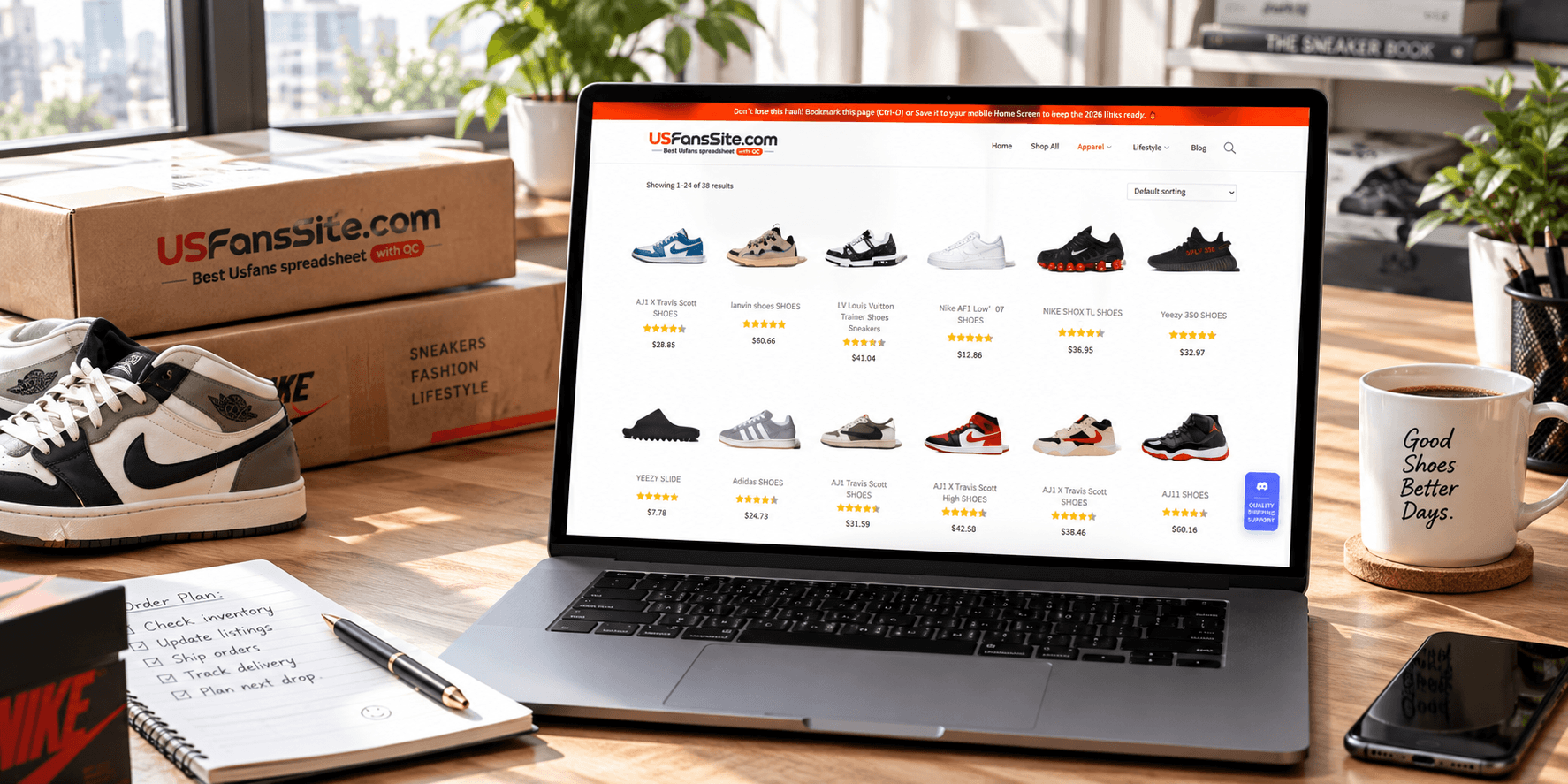
The concept is simple but powerful: instead of fighting with Google Sheets’ loading times, you browse shoe listings through a WooCommerce-style preview interface. Each listing shows the product image, price, seller information, and a direct link to place your order on the agent platform. No more waiting — everything loads in under two seconds. For footwear specifically, the Joyagoo Shoes category has become my daily checkpoint for new drops and restocks.
The Loading Speed Problem This Platform Actually Solves
Let me get specific about why this matters for shoe sourcing. A traditional Google Sheet with thousands of product rows can take 20 to 40 seconds to fully load — longer on mobile. If you’re trying to catch a limited drop or compare prices across 15 sellers before committing, that delay genuinely costs you deals. I’ve watched pairs sell out while my Sheet was still rendering row 400.
The Joyagoo platform converts all that spreadsheet data into lightweight web pages. Every shoe listing — thumbnail, price, seller link, QC availability — renders almost instantly. You scroll through hundreds of footwear options the same way you’d browse any modern online store. Click “purchase” and you’re redirected straight to the agent platform to complete your order. The entire flow from discovery to checkout takes seconds, not minutes.
How I Navigate the Shoe Category Without Wasting Time
After months of daily use, I’ve developed a workflow that saves me at least an hour compared to my old Google Sheets routine:
Start with the newest drops. The web interface sorts by upload date, so I can immediately see what was added today. With Google Sheets, I had to scroll to the bottom and filter by date columns that may or may not be formatted consistently across sellers.
Check the seller profile first. Each listing links to the seller’s profile on the agent platform. Before I even look at the shoe closely, I check the seller’s rating and transaction count. A 4.8+ rating with 500+ transactions tells me this is a proven source worth my time.
Bookmark listing URLs for later. The web interface gives each shoe listing a stable URL, so I can bookmark pairs I’m considering and return to them later. With Google Sheets, the row position would shift constantly as new items were added, making saved bookmarks useless after a day or two.
QC Photos for Shoes: What I Actually Look For
Quality check photos are where I spend roughly 80% of my decision time. When a shoe listing includes QC photos, here’s the checklist I run through every single time:
Stitching consistency. I zoom into the QC photos and examine the stitching along the sole attachment line. Uneven stitching, skipped stitches, or loose threads are immediate red flags. On quality budget-friendly versions, the stitching should be tight, even, and consistent throughout.
Sole alignment. I check the side profile shot carefully to make sure the sole is properly aligned with the upper. A misaligned sole is a manufacturing defect that can’t be corrected — walk away from that pair.
Material texture close-ups. The QC photos should show material texture clearly. For leather options, I look for natural grain variation rather than a uniform, plastic-looking surface. For knit uppers, I check for consistent weaving density without visible snags.
Toe box shape and symmetry. The toe box should match the reference product images. If it’s too pointed, too rounded, or asymmetrical between left and right shoes, that signals poor batch quality control.
Heel counter firmness. A well-constructed shoe has a firm heel counter that holds its shape. If the QC photos show the heel area collapsing inward or looking soft, the internal support structure is likely insufficient and the shoe will break down quickly with wear.
One lesson I learned the hard way: always request QC photos of both shoes, not just one. I once approved a QC that looked great — only to discover the left shoe had a visible glue stain along the midsole that wasn’t shown in the single-shoe photo set. Now I explicitly ask for both shoes in every QC request.
Sizing Realities — Batch Variations Are Real
If there’s one thing I wish someone had told me before my first shoe order, it’s this: sizing across production batches is genuinely inconsistent. The same shoe model from different batches can fit differently — sometimes by a half size or more.
Here’s the approach I’ve refined over dozens of orders:
- Always check the manufacturer dimensions listed in the product description, not just the labeled size — the insole length in centimeters is your most reliable measurement.
- Compare that insole length with a pair of shoes you already own and are happy with. Measure the insole yourself rather than trusting the label.
- When in doubt between two sizes, go half a size up. It’s much easier to add a comfort insole than to deal with shoes that pinch.
- Read the comments or reviews if the listing has them — other buyers frequently share whether a particular batch runs large, small, or true to size.
The Joyagoo spreadsheet Shoes listings often include batch sizing notes directly in the product description, which is significantly more useful than a generic brand size chart that doesn’t account for manufacturing variations.
Shipping Shoes Internationally: What I’ve Learned the Hard Way
Shoes are heavier and bulkier than most clothing items, which means shipping costs more. But there are concrete ways to optimize:
Remove the original shoe box. I always select the “remove original box” option at ship-out. This reduces volumetric weight by 30 to 40 percent and saves a meaningful amount on international shipping. I store my shoes in aftermarket clear boxes anyway, so the original box adds no value for me.
Consolidate multiple pairs into one shipment. If I’m ordering several pairs, I wait until all QC photos are approved, then ship them together in a single package. The platform’s warehouse gives you a generous free storage window — typically 30 to 180 days depending on the agent — so there’s no urgency to ship immediately.
Choose DDP for EU destinations. For shipments to Europe, DDP (Delivered Duty Paid) is almost always smoother than DDU. With DDP, customs duties and VAT are calculated and paid upfront, and your package clears customs without delays. I’ve had DDU shipments sit in customs for two to three weeks while paperwork was sorted out — that’s a long wait when you’re excited about new shoes.
Track volumetric vs. actual weight. Shipping cost is calculated on whichever is greater: actual weight or volumetric weight. Shoes with large boxes can have a volumetric weight significantly higher than their actual weight. Removing the box and using the platform’s repackaging service often brings the volumetric weight down considerably.
FAQ
Q: How do I search for items on the platform?
A: The web interface has a search bar at the top of every category page. For shoes, I typically search by model name, keyword, or seller. You can also filter by price range and upload date. It’s dramatically faster than using Ctrl+F on a massive Google Sheet.
Q: What about Joyagoo shipping — how does it actually work?
A: Joyagoo supports multiple shipping lines with different speed and cost trade-offs. For shoes specifically, I’ve had the best results with DDP routes to my destination country. Express lines typically deliver in 7–15 days, while economy options take 25–40 days. The platform shows you a shipping cost estimate based on actual or volumetric weight before you commit.
Q: Can I do QC review on a phone screen?
A: I’ve done it when I had no other option, but I genuinely don’t recommend it for shoes. Footwear QC photos require zooming into fine details — stitching quality, sole alignment, material texture. A phone screen makes it hard to spot small defects. If you must review on mobile, pinch-zoom into every single photo and check systematically: toe, sole, heel, sides, and interior. Better yet, wait until you’re at a desktop.
Q: What is the safest first order size?
A: One pair. That’s it. Your first order is about testing the entire flow — selecting a listing, placing the order, reviewing QC photos, approving or requesting changes, shipping, and customs clearance. Once you’re comfortable with each step and have identified reliable sellers, then scale up. I’ve seen beginners order five pairs at once and get overwhelmed managing five separate QC reviews simultaneously.
Q: What should I do if I receive an unsatisfactory product?
A: It depends on where the issue originated. If the defect was visible in the QC photos but you missed it during review, the responsibility is shared — which is exactly why thorough QC review matters so much. However, if the product arrives different from what you approved (wrong size, wrong color, or transit damage), contact the agent’s customer service immediately with clear photos. Most agents offer compensation or partial refunds for transit damage, but you need to document everything with photos within 48 hours of receiving the package.